The Rebel’s Canvas: Why Rule-Breakers Often Redefine Art, Design, and Culture
Throughout history, true innovation in art, design, and culture has often sprung not from rigid adherence to tradition but from those audacious enough to defy it. These creative mavericks—rule-breakers, disruptors, iconoclasts—have repeatedly challenged norms, questioned assumptions, and carved out entirely new paradigms. Whether painting against the grain, designing against function, or expressing cultural identity in radical ways, rebels in the creative world have served as catalysts for progress, provoking society to see, feel, and think differently.
This is the story of the rebel’s canvas—how those who dare to color outside the lines end up redrawing the entire map.
The DNA of Rebellion: Why Some Creatives Break Rules
Not all artists are rebels. Some work within the frameworks of their predecessors and still create beauty and meaning. But certain individuals possess an innate resistance to convention—a drive to challenge the familiar. This tendency often stems from a combination of personality traits, life experiences, and philosophical leanings. Psychologists have found that traits like openness to experience, low conformity, and a strong internal locus of control often correlate with rebellious creativity. Even something as simple as organizing a school fundraiser can highlight creative traits that challenge traditional approaches.
But rebellion isn’t just about breaking rules for the sake of it. It’s often a reaction to limitations—political, aesthetic, or institutional—that feel oppressive or stale. For the creative rebel, rules are not sacrosanct; they are suggestions, and sometimes, they are obstacles to truth.
Art Movements Born from Rebellion
Art history is a timeline of revolutions—periods where radical shifts in perspective gave birth to new movements. These movements often started with a rejection of prior aesthetic codes or social values.
Impressionism: Painting Against the Academy
In the mid-19th century, the French Academy of Fine Arts dictated what was considered “good art”—idealized, mythological, and polished. But artists like Claude Monet, Edgar Degas, and Édouard Manet dared to capture the fleeting qualities of light, the vibrancy of urban life, and the rawness of everyday scenes. Critics mocked them, calling their work mere “impressions.” Yet today, Impressionism is considered one of the most beloved movements in art.
Dadaism and Surrealism: Art as Anarchy
In the wake of World War I, artists like Marcel Duchamp and Hannah Höch responded to the horrors of modernity not with beauty but with absurdity. Duchamp’s infamous “Fountain”—a urinal signed “R. Mutt”—challenged the very definition of art. Dadaism, and later Surrealism, questioned reality, authority, and logic. These movements opened the floodgates to conceptual art, performance, and installation.
Street Art and the Rise of Anti-Institutional Expression
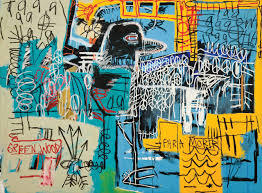
In the late 20th century, artists like Jean-Michel Basquiat, Keith Haring, and Banksy used the urban landscape as their canvas. Rejecting galleries and elite curation, their work spoke directly to the public. Banksy, in particular, turned anonymity and political satire into an art form, consistently rebelling against the commodification of art while becoming one of its most profitable figures.
Design Disrupted: When Aesthetics Challenge Function
In design, rebellion is just as transformative. The modernist mantra of “form follows function” was itself a rejection of decorative excess in the 20th century. But even within modernism and its descendants, rule-breaking designers emerged to challenge assumptions. Interestingly, even trades like door installers in New Jersey often draw inspiration from such design principles, blending utility with aesthetic appeal.
The Bauhaus Revolution
Founded in 1919, the Bauhaus School in Germany fused craft, design, and fine art. It was revolutionary not only in aesthetic terms—clean lines, geometric shapes, and functionalism—but also in its inclusive ideology. Bauhaus rejected the elitism of fine art and aimed to democratize design, influencing everything from typography to architecture.

Memphis Group: Colorful Disobedience
In the 1980s, Ettore Sottsass and the Memphis Group flipped modernist seriousness on its head. Their bold, whimsical furniture designs featured bright colors, clashing patterns, and odd forms that seemed to laugh at minimalism. Though criticized at the time, their influence is now felt in contemporary interiors and fashion. This kind of vibrant transformation can be as refreshing as the efficient water removal in Charlotte after unexpected flooding.
Apple’s iMac and the Death of the Beige Box
When Apple released the iMac G3 in 1998, it broke every rule in tech design. Computers were beige, utilitarian, and serious. The iMac was translucent, colorful, and curvaceous—delightfully unnecessary in its aesthetic. Yet it reshaped consumer expectations, ushering in an era where technology and design were inseparable.
Cultural Disruptors: When Identity Becomes Revolution
In cultural spaces, rebellion often intersects with social justice, identity politics, and activism. Artists and creators from marginalized communities have used rule-breaking as a means of reclaiming visibility and power.
Hip-Hop: Breaking Sound and System
Born in the Bronx in the 1970s, hip-hop was a full-scale cultural rebellion. With roots in Black and Latinx communities, it turned turntables into instruments, graffiti into protest, and street style into high fashion. Rappers like Public Enemy, Tupac, and Lauryn Hill used the medium to challenge systemic oppression. Hip-hop didn’t just break the rules of music—it rewrote the rules of storytelling. Just as hip-hop transformed street style, it also influenced fashion trends ranging from sneakers to soccer cleats for men, blending culture with athletic wear.
Frida Kahlo: The Self as a Radical Canvas
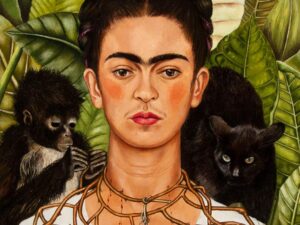
Frida Kahlo‘s work defied genre, gender, and geography. Blending surrealism, indigenous Mexican culture, and deeply personal symbolism, she painted her pain, her pride, and her politics. Her open expression of gender fluidity and disability was radical, and her influence is now global.
Drag as Performance Rebellion
Long before RuPaul’s Drag Race, drag was a form of underground resistance. By exaggerating gender roles and aesthetics, drag performers mocked societal norms and created space for queer identity and self-expression. What was once subversive is now pop culture—another testament to how rebellious art reshapes society.
The Risk and Reward of Creative Rebellion
Being a rule-breaker isn’t without consequence. Many creative rebels were ridiculed, censored, or ostracized in their time.
-
Van Gogh sold only one painting in his lifetime.
-
James Baldwin faced relentless discrimination for his writing on race and sexuality.
-
Ai Weiwei, the Chinese artist and activist, was detained and surveilled for using his art to critique the government.
Yet in many cases, the very traits that provoked backlash became their legacies. Their refusal to comply made them timeless.
The rewards of rebellion, when successful, are not just personal acclaim. They include cultural shifts—new genres, new ideas, new freedoms. The rebel’s canvas may be torn and chaotic, but its texture invites others to imagine more.
Rebel Lessons: What Modern Creatives Can Learn
If there’s one enduring lesson from these mavericks, it’s this: Rebellion is a tool, not a style. Breaking rules must be done with purpose, not just provocation. True innovation comes from knowing the rules so deeply that you can bend or break them in meaningful ways. Just like an emcee for hire knows how to read the room and break the ice at just the right moment, mastery of your craft allows for purposeful disruption.
For creatives today, here are some takeaways:
-
Question sacred cows: Just because “it’s always been done this way” doesn’t mean it should continue.
-
Lean into discomfort: Rebellion often comes with risk—rejection, misunderstanding, isolation. Courage is part of the process.
-
Embrace interdisciplinary thinking: Many rebels pull from unexpected fields. Think like a musician, even if you’re a coder.
-
Use your platform: Art, design, and culture shape the world. Use your work to challenge injustice, tell overlooked stories, or simply make people feel something real.
Conclusion: The Beauty of the Broken Frame
The rebel’s canvas is not a perfect rectangle. It’s jagged, stained, unfinished—sometimes even illegal. But it is in that imperfection that we find the soul of progress. From the Impressionists to the punk rockers, from drag queens to Afrofuturists, rule-breakers force us to confront the limits of our imagination—and then blow past them. This spirit of rebellion is often captured and celebrated through branded merchandise, turning ideals into tangible symbols.
Art, design, and culture are not static—they evolve because someone dares to ask, “What if we did it differently?” Every masterpiece that once sparked outrage, every design that seemed too bold, every song or sculpture that disrupted the norm—they now serve as monuments to human courage, vision, and conviction.
To rebel creatively is not merely to reject—it is to reimagine. To rewrite the narrative, to reframe the world, to risk misunderstanding in the pursuit of something truer. It’s about seeing what others miss, daring to voice what others suppress, and shaping what others will one day celebrate. Just like a carefully crafted vegan supplements pack challenges conventional nutrition, creative rebellion pushes boundaries to forge new possibilities.
So here’s to the rebels. The ones who don’t just think outside the box—they burn the box, dance in the embers, and use the ashes to paint a new future. Without them, the canvas of culture would be flat and colorless. With them, it becomes a living, breathing mural of possibility.
And the beauty of that broken frame? It never fits on a gallery wall—but it always finds a place in history.