How Punk Music Created a Global Streetwear Aesthetic

The influence of punk music extends far beyond its explosive, rebellious sound. While punk began as a countercultural movement in the mid-1970s, it has since evolved into a foundational force shaping global fashion trends, particularly the streetwear aesthetic that dominates youth culture worldwide today. The gritty DIY ethos, anti-establishment spirit, and unapologetic individualism of punk music gave birth to a distinct style vocabulary that has permeated the world of fashion. From studded leather jackets to graphic patriotic t-shirts, punk’s influence can be seen in bold, statement-making pieces across modern wardrobes. This article explores how punk music’s rebellious energy transformed clothing, style, and identity—ultimately creating a global streetwear aesthetic that continues to resonate across generations and continents.
The Origins of Punk Music and Its DIY Fashion Ethos
Punk music emerged as a reaction against the polished, mainstream rock of the early 1970s, with bands like The Ramones, Sex Pistols, and The Clash channeling raw energy and anger into stripped-down sound. This musical rebellion was matched by a corresponding aesthetic rebellion against commercialized fashion. Punk fashion was not about luxury or perfection—it was about accessibility, individual expression, and rejection of the status quo.
At the core of punk’s fashion was the DIY (Do It Yourself) ethos. Punk fans and musicians often made their own clothes, customized thrift store finds, or altered existing garments to express their political views and personal identities. Safety pins, ripped fabrics, hand-painted slogans, and unconventional materials became symbols of this homemade authenticity. The iconic ripped T-shirts, studded leather jackets, and Doc Martens boots all originated from this need to create something meaningful outside of traditional fashion industry standards.
This DIY culture not only challenged the fashion establishment but also democratized style. Punk clothing was affordable and accessible, appealing to disenfranchised youth who rejected both economic inequality and the flashy, corporate fashion that dominated retail stores. Through this approach, punk music and its associated style empowered individuals to define their own identities through clothes, a concept that is fundamental to contemporary streetwear.
Moreover, punk’s DIY aesthetic challenged beauty norms and gender roles. Androgyny, asymmetry, and the use of unconventional accessories became a visual form of protest against rigid societal expectations. This spirit of radical self-expression and inclusivity continues to inform the way streetwear embraces diversity and fluidity.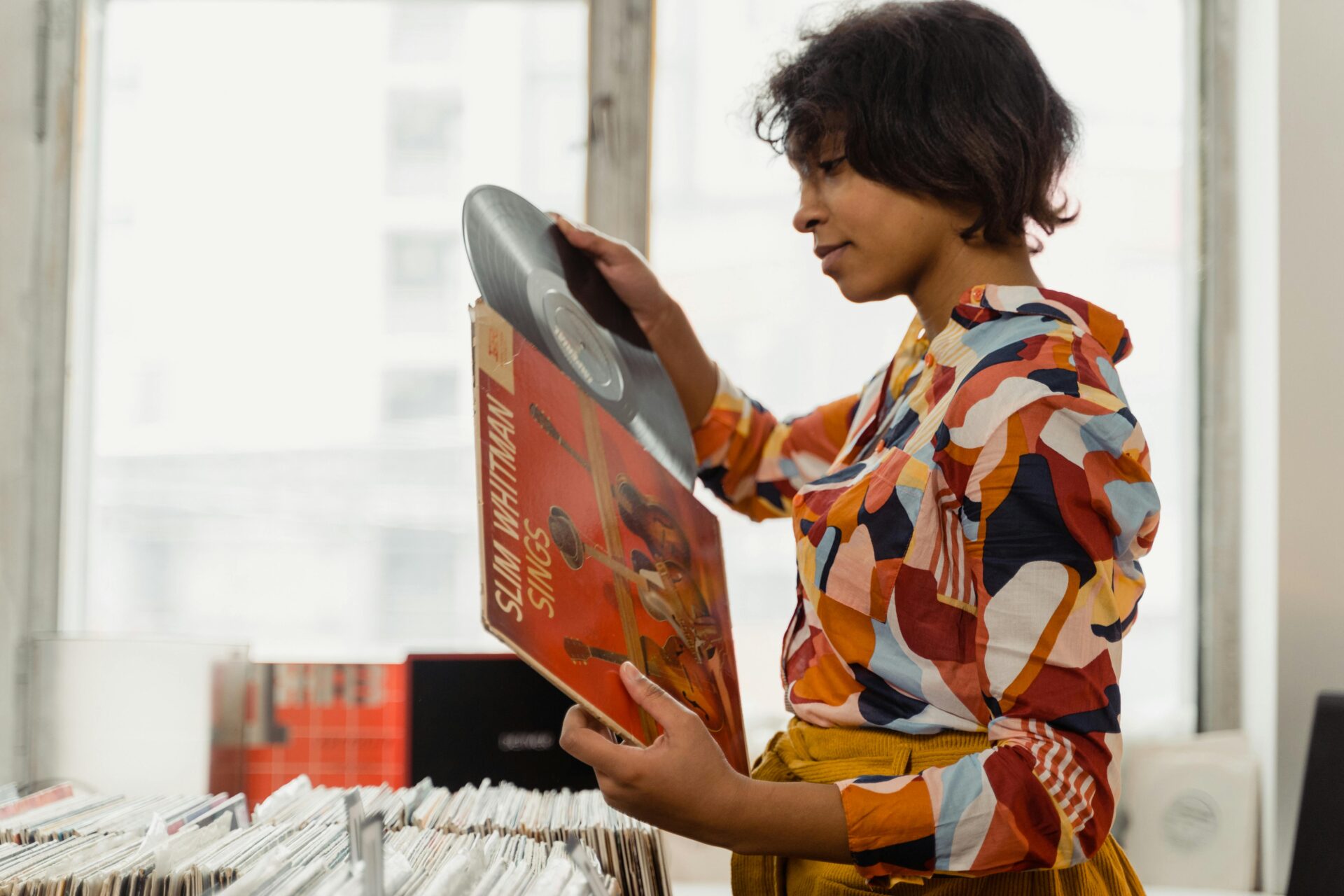
Punk’s Political and Social Messaging Woven into Style
Punk music was never just about sound; it was inherently political. Its fashion communicated anti-authoritarian messages, social critiques, and often outright defiance. Clothes were a canvas for slogans, provocative imagery, and symbols of rebellion that conveyed punk’s resistance against mainstream culture, capitalism, and social conformity.
Graphic T-shirts with band logos, anarchist symbols, or political slogans became wearable protests. The DIY customization of clothing with spray paint, patches, and handwritten messages allowed individuals to broadcast their values and affiliations. This fusion of music, politics, and style created a powerful, visual language of dissent that connected punk communities worldwide.
The streetwear aesthetic inherited this dimension of messaging. Contemporary brands often incorporate graphic designs and iconography inspired by punk’s political roots. Logos, bold typography, and controversial imagery persist as ways for wearers to project their values and affiliations. Whether it’s through a politically charged hoodie or a pair of sneakers with provocative details, the spirit of punk as a platform for social commentary continues to shape streetwear culture.
Punk’s challenge to consumerism also influenced streetwear’s approach to branding and exclusivity. While punk began as an anti-commercial movement, over time, its style was appropriated by fashion designers and global brands. However, many streetwear communities attempt to retain the spirit of authenticity and resistance by embracing limited releases, underground collaborations, and grassroots distribution channels. These practices echo punk’s original rejection of mass production and corporate control.
By weaving social and political messages into clothing, punk music laid the groundwork for streetwear to become not just fashion, but a medium of cultural dialogue and identity politics. The legacy of punk’s political expression is alive in the rebellious undertones of streetwear’s visual storytelling.
The Cross-Pollination of Music, Art, and Streetwear Culture
Punk music was inherently multidisciplinary, combining sound with visual art, performance, and fashion. This cross-pollination was crucial in shaping the aesthetic sensibilities that would eventually influence streetwear on a global scale.
Album covers, concert flyers, and zines (self-published magazines) were as important as the music itself in the punk scene. Artists like Jamie Reid, known for his work with the Sex Pistols, created iconic graphic designs featuring ransom-note typography, bold colors, and shocking imagery that became visual shorthand for punk’s rebelliousness. This integration of music and visual culture established a strong link between punk and graphic design, a connection that continues to inform streetwear branding today.
Streetwear’s heavy reliance on graphic tees, bold logos, and collaborations with artists owes much to punk’s aesthetic experimentation. The subculture’s use of provocative visuals and raw, DIY graphics challenged conventional beauty standards and embraced imperfection. This rejection of polish and refinement resonates strongly in streetwear, where distressed fabrics, oversized silhouettes, and graffiti-inspired designs are celebrated.
Furthermore, punk’s influence extended into the attitude and approach of streetwear culture. The rebellious, anti-mainstream mindset encouraged creativity, innovation, and pushing boundaries—values that have shaped streetwear brands from Supreme to Off-White. Many streetwear labels deliberately blur the lines between fashion, music, and art, echoing punk’s interdisciplinary roots.
Punk’s global spread through music and visual culture also facilitated cross-cultural exchanges that enriched streetwear aesthetics. As punk scenes emerged in places like Japan, Brazil, and Eastern Europe, they absorbed local influences while maintaining core punk values. This fusion contributed to the diverse, hybrid nature of streetwear, where global cultural symbols and punk-inspired motifs coexist.
In essence, punk music’s fusion of art, fashion, and sound created a blueprint for streetwear culture’s visual identity and interdisciplinary collaborations. This artistic synergy fuels streetwear’s ongoing evolution and cultural relevance worldwide.
Punk’s Enduring Impact on Modern Streetwear Brands and Trends
Decades after punk’s initial explosion, its influence on fashion remains vibrant and highly visible in modern streetwear. Many iconic streetwear brands trace their lineage directly or indirectly to punk’s style and ethos.
Brands like Supreme, Stüssy, and A Bathing Ape (BAPE), pioneers of streetwear culture, incorporate punk elements in their designs—be it through graphic prints, distressed textiles, or anti-establishment messaging. Supreme’s collaborations with punk bands and artists further cement the genre’s impact on the brand’s DNA. The focus on exclusivity, underground culture, and limited drops mirrors punk’s grassroots distribution of zines and vinyl records.
High fashion has also embraced punk aesthetics, blurring the line between streetwear and luxury. Designers like Vivienne Westwood, who helped define punk fashion in the 1970s, continue to inspire contemporary collections that mix punk’s raw edge with modern sophistication. This crossover has elevated punk’s visual language from subculture to mainstream influence.
Current trends in streetwear—such as oversized silhouettes, deconstructed garments, and the use of safety pins, patches, and graffiti-style prints—trace directly back to punk’s rebellious wardrobe. Even hairstyles, makeup, and attitude prevalent in streetwear culture today echo punk’s spirit of nonconformity and individualism.
Importantly, punk’s legacy in streetwear goes beyond mere aesthetics. The underlying values of authenticity, self-expression, and resistance to commercialization resonate strongly with younger generations navigating a consumer-driven world. In this way, punk’s impact is as much ideological as it is visual, continuing to shape how streetwear brands communicate identity and culture.
The global streetwear movement owes much to punk’s pioneering rejection of conformity, its embrace of DIY creativity, and its integration of political and cultural messages into style. As streetwear evolves, punk’s foundational role remains a vital influence, reminding us that fashion can be both personal and revolutionary.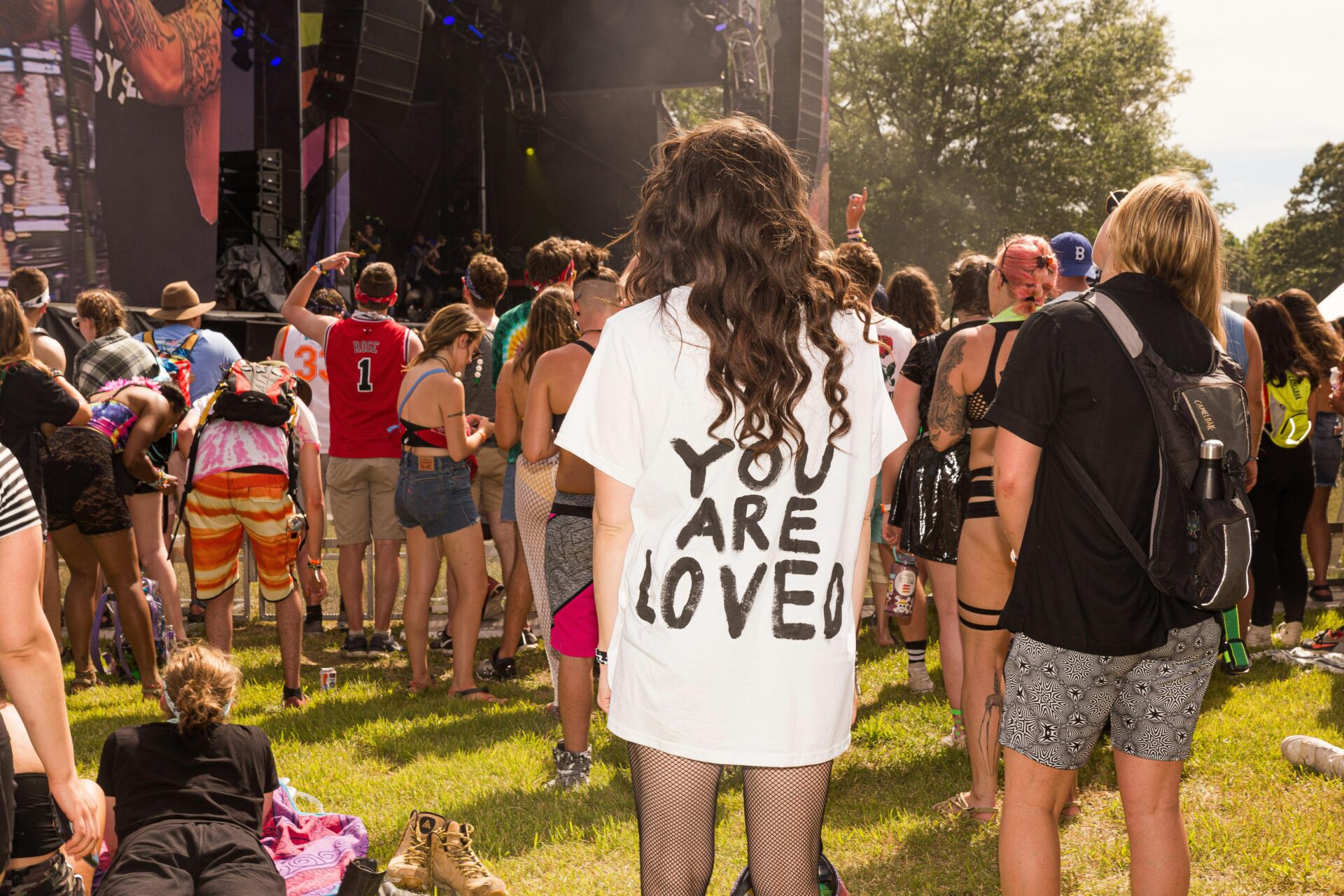
Conclusion: Punk Music as the Catalyst for a Global Streetwear Movement
The story of punk music is inseparable from the story of streetwear. What began as a sonic and cultural rebellion in 1970s London and New York blossomed into a global fashion phenomenon rooted in the same principles of DIY creativity, anti-establishment defiance, and radical self-expression. Punk’s raw, unpolished aesthetic challenged traditional fashion norms, democratized style, and gave rise to an enduring visual language that underpins modern streetwear.
Through its political messaging, visual art collaborations, and interdisciplinary approach, punk music laid the groundwork for streetwear to become more than just clothing—it became a medium for cultural dialogue, identity formation, and social resistance. Streetwear’s ongoing popularity and evolution owe a profound debt to punk’s spirit, demonstrating how music and style can intertwine to shape global youth culture.
Ultimately, punk’s impact on streetwear is a testament to the power of subcultures to influence mainstream culture over time. It shows how fashion can be a form of rebellion and how clothing can serve as both personal expression and political statement. As streetwear continues to evolve, punk’s legacy remains a foundational force, reminding us that style is never just about clothes—it’s about identity, community, and change.