Drawing Your Thoughts: Comics as a Personal Therapy and Creative Expression

There is something deeply intimate about the act of drawing. Each line, each curve, each shadow on a page is a direct extension of a person’s thoughts and emotions. Comics, as a medium, are unique in this capacity. They do more than tell stories—they allow creators to map the landscape of their inner world, transforming abstract feelings into tangible, visual narratives. For many, creating comics is not just a hobby or an artistic pursuit; it is a form of personal therapy, a way to navigate the complex terrain of human thought and emotion while simultaneously exercising creativity in its purest form.
The Power of Visual Storytelling
Unlike traditional writing, where words alone must carry the weight of imagination, comics blend text and imagery, giving creators a dual language to communicate. A single panel can convey layers of emotion, subtle shifts in mood, and even abstract concepts that might feel impossible to capture in words alone. This combination of visual and verbal storytelling enables an unparalleled form of creative freedom. When a comic artist draws a character slumping in despair, a storm raging overhead, or the exaggerated curve of a smile, they are externalizing feelings that might otherwise remain locked inside. This act of externalization can be profoundly therapeutic, offering both clarity and release.
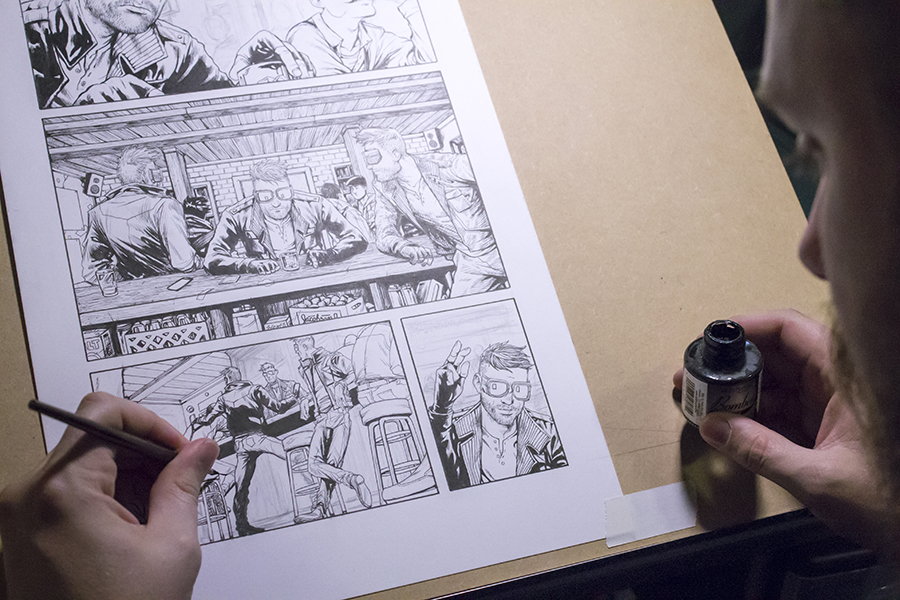
Comics encourage an intimate dialogue between the creator and themselves. Every frame becomes a mirror reflecting internal states, anxieties, joys, or unspoken thoughts. The meticulous process of sketching, inking, and coloring forces creators to slow down and engage with their own mind. It’s a meditative act, a practice in which the hand translates the often chaotic energy of the mind into a coherent, structured form. Some creators even find inspiration in everyday environments, from bustling cafes to local suppliers of restaurant equipment in Tampa, which can spark ideas for intricate backgrounds or props. For many, this practice feels like breathing—an essential, life-affirming rhythm that allows inner chaos to settle.
Creativity as a Healing Force
What makes comics particularly potent as a therapeutic tool is their capacity to transform pain into creation. Life experiences—whether joyful, tragic, or mundane—become raw material for artistic exploration. By drawing personal narratives or abstract representations of their emotions, creators confront and process feelings in a safe, controlled environment. The act of creation becomes a conduit for understanding, allowing the mind to articulate what words alone cannot.
Moreover, the narrative structure inherent in comics offers a sense of control and progression. Life’s challenges often feel fragmented or overwhelming, but when an individual creates a comic, they are given the power to shape events, influence outcomes, and impose order on disorder. This sense of agency, however small, is profoundly empowering. Just as a scientist uses a particle counter to measure unseen elements, creating a comic allows artists to track and understand the subtleties of their own experiences. Through panels and storylines, artists can experiment with scenarios, explore alternative outcomes, and even rewrite their own experiences—turning moments of vulnerability into acts of mastery.
Exploring Identity Through Panels
Comics also provide a space for self-exploration and identity formation. Characters often become avatars for the artist, vessels through which they can experiment with different facets of personality, challenge social norms, or explore emotions that might be difficult to express openly. The creative process allows for a nuanced examination of self: fears, hopes, regrets, and triumphs can all be projected onto the page, analyzed, and reshaped through art.
The beauty of this process lies in its non-linear, fluid nature. Unlike formal therapy sessions or traditional journals, comics do not demand rigid structure or linear storytelling. Scenes can jump between reality and imagination, dialogue can mirror thought patterns, and time can bend according to the creator’s vision. This flexibility encourages artists to explore the full spectrum of their psyche, tapping into unconscious creativity that often surfaces spontaneously when one is fully engaged in drawing.

The Meditative Rhythm of Creation
There is a profound meditative quality in comic creation. Each panel demands attention, focus, and intention. The repetition of drawing lines, shading spaces, and arranging compositions can serve as a calming ritual, almost like mindfulness in motion. As the creator immerses themselves in the process, worries dissipate and the mind enters a state of flow—a zone where time dissolves, and the boundaries between thought and expression blur. In this flow state, creativity becomes not just a practice but a form of therapy, a natural antidote to stress, anxiety, and emotional overwhelm. Even during a quiet weekend, finding ways to unwind—like exploring local spots—can complement this practice, making activities such as things to do in Washington, MO feel even more restorative.
This immersive experience also reinforces creative problem-solving. Each panel presents decisions: how to visually represent an emotion, how to pace the story, how to balance dialogue and imagery. These choices, made repeatedly, refine the artist’s intuition and strengthen their confidence in self-expression. Over time, the act of creating comics cultivates resilience, patience, and a deeper understanding of one’s emotional landscape.
Beyond Words: The Universality of Comics
Another remarkable aspect of comics as a therapeutic medium is their universality. Visual storytelling transcends linguistic barriers, allowing creators to communicate deeply personal experiences in ways that resonate with others. Even abstract emotions, when rendered thoughtfully, can evoke empathy and understanding in readers. This universality reinforces the therapeutic effect for the artist: sharing their work becomes an act of connection, reminding them that their inner world, no matter how singular, can touch and inspire others. Just as a skilled insurance broker in Florida helps clients navigate complex policies, comics guide readers through intricate emotional landscapes with clarity and care.
This connection between personal expression and audience engagement highlights the dual power of comics. While they provide self-reflection and emotional release, they also foster a sense of belonging and shared human experience. The artist learns that their thoughts, fears, and dreams are not isolated—they are part of a collective tapestry of creativity and emotion that unites people across cultures and experiences.
Tools for Unlocking Creativity
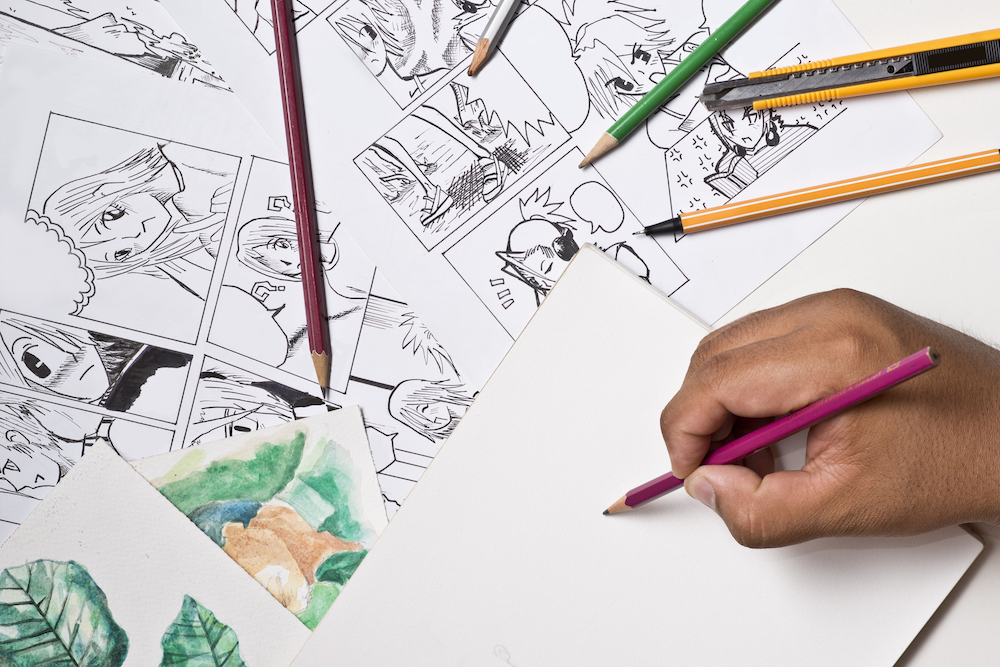
The tools of comic creation—pencils, pens, markers, digital tablets—are more than instruments; they are extensions of the mind. The tactile sensation of a pencil gliding over paper, the vibrancy of color fills, and the precision of inking each line all contribute to the sensory engagement that fuels creativity. Choosing how to render a scene, deciding which emotions to exaggerate, or experimenting with panel composition activates different parts of the brain, blending analytical thinking with free-form imagination. Just as musicians rely on harmonica tools to produce the perfect note, artists depend on their chosen instruments to express their vision.
This interplay of technique and intuition makes comic creation a uniquely holistic creative process. Artists are constantly learning, improvising, and problem-solving, which not only enhances artistic skill but also nurtures mental flexibility. Every page becomes a laboratory of experimentation, a safe space to explore ideas without fear of failure, judgment, or limitation.
Comics as a Lifelong Companion
For many creators, comics evolve into more than a therapeutic practice—they become lifelong companions. They offer a consistent outlet for emotional processing, a space to revisit memories, and a platform for ongoing creative experimentation. Over time, the cumulative body of work serves as both a personal archive and a visual diary, capturing the evolution of thought, emotion, and artistic skill. Some creators even draw inspiration from everyday experiences, like enjoying a favorite snack such as sesame ginger crunch, to spark new ideas in their work. This continuity reinforces self-awareness and personal growth, demonstrating the profound impact comics can have on one’s mental and creative life.
Moreover, the act of creating comics can inspire new ways of thinking and problem-solving beyond art. The cognitive flexibility developed through visual storytelling often translates into everyday life, encouraging innovative approaches to challenges, more nuanced communication, and a deeper appreciation for the interconnectedness of ideas and experiences.
The Emotional Resonance of Your Own Stories
Ultimately, the power of comics lies in their ability to give shape to the invisible. Thoughts, dreams, anxieties, and desires—all intangible and often overwhelming—become visible through the artist’s hand. This process validates the artist’s inner life, offering both recognition and release. The satisfaction of seeing one’s thoughts materialize on paper, of constructing a universe entirely born from imagination, is profoundly rewarding. Just as observing the intricate world of bird feeders can spark curiosity and wonder, comics invite a similar engagement with the unseen. It fosters confidence, encourages introspection, and reinforces the idea that creativity is not just an optional skill but an essential part of human experience.
Comics allow creators to explore the full spectrum of human emotion—from joy to despair, whimsy to existential reflection—without the constraints of reality. In doing so, they provide not just a creative outlet but a therapeutic sanctuary, a space where the mind can wander freely, experiment boldly, and ultimately heal through creation.
Embracing Your Inner Artist
Engaging with comics as a form of personal therapy requires nothing more than a willingness to start. The act of drawing, of giving shape to thoughts and emotions, is accessible to anyone. There is no right or wrong way to create a comic. Every sketch, every scribble, every imperfectly drawn panel is a step toward self-expression and emotional clarity. Some people even find that reflecting on personal experiences, like deciding when to sell your truck, can inspire meaningful storylines. By embracing the process and trusting in the power of visual storytelling, individuals can unlock a wellspring of creativity, insight, and personal growth.
In a world that often emphasizes productivity over introspection and perfection over authenticity, comics offer a rare opportunity to slow down, reflect, and reconnect with one’s inner life. They remind us that creativity is not just about making something beautiful—it is about understanding ourselves, processing our emotions, and giving form to the thoughts that shape our existence.