Blooming Imagination: How Flower Arrangement Unlocks Your Creative Potential

There is something almost magical about the moment when your hands meet a cluster of fresh flowers. The gentle weight of a stem, the soft rustle of petals, the delicate scent that wafts through the air—it’s a sensory invitation to create. Flower arrangement is more than simply placing blooms in a vase; it is a medium of expression, a bridge between inner imagination and tangible beauty. For many, it becomes a personal sanctuary, a space where creativity is not only encouraged but celebrated.
The act of arranging flowers calls upon a unique combination of intuition, design, and emotional resonance. Unlike traditional painting or sculpture, where one must often translate imagination through abstract tools, flowers respond naturally to touch, color, and space. Their forms are already sculptural, their colors inherently vivid, and yet the possibilities are endless. A single choice—a bright marigold or a delicate orchid—can dramatically shift the mood of the arrangement, transforming it from serene to playful, minimalist to extravagant. This immediacy is what makes flower arrangement such a powerful outlet for creative potential.
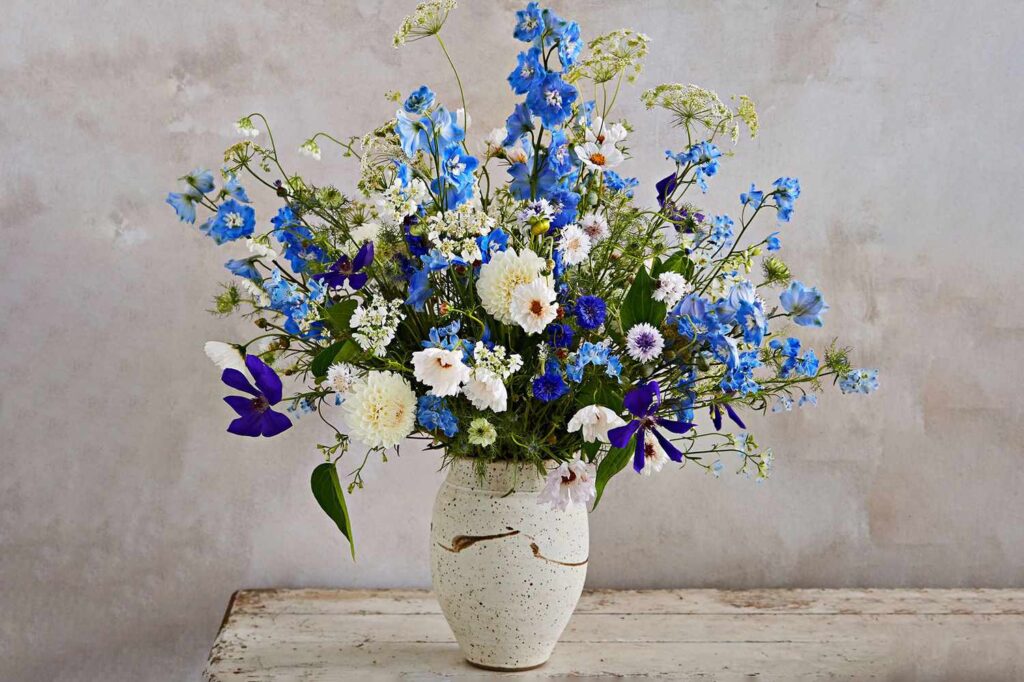
The Psychology Behind Creative Flower Arranging
Scientific studies have increasingly highlighted the mental and emotional benefits of engaging in creative floral activities. The act of arranging flowers reduces stress, improves focus, and stimulates both hemispheres of the brain. When you manipulate blooms to create balance, rhythm, and harmony, you are engaging in problem-solving, visual-spatial reasoning, and abstract thinking simultaneously. It’s a subtle dance between logic and intuition, structure and spontaneity. Every choice—height, color contrast, texture—invites a micro-decision, nurturing creativity in a way that is both meditative and exhilarating.
Creativity often emerges when we allow ourselves to play without judgment. Flower arrangement offers a perfect canvas for such playfulness. Unlike more permanent art forms, flowers are fleeting. They invite experimentation because there is no catastrophic failure. A stem can be repositioned, a leaf adjusted, a bloom swapped. This impermanence encourages risk-taking and bold experimentation, allowing the imagination to wander freely. In essence, arranging flowers is a rehearsal for creative freedom in life itself.
Exploring Composition Through Color and Form
The most compelling flower arrangements are those that tell a story, evoke emotion, or capture a mood. Color plays a pivotal role in this storytelling. Warm reds and oranges convey passion and energy, while soft pastels evoke tranquility and introspection. Contrasting shades create dynamic tension, and subtle gradients guide the eye through the composition. Texture, too, adds depth—rough, spiky thistles can juxtapose smooth roses, while airy, delicate fillers like baby’s breath create visual breathing space.
Form is equally essential. Understanding how shapes interact allows for arrangements that feel both balanced and alive. A triangular composition can suggest stability, a circular one evokes continuity, and asymmetry injects movement and spontaneity. As you explore the interplay of line, space, and proportion, you begin to see flower arrangement as a three-dimensional canvas, one that evolves with your imagination and emotional intent.
Combining Flower Arrangement with Other Crafts
Creativity often thrives when disciplines intersect. Flower arrangement offers an excellent foundation for exploring mixed-media projects that expand artistic expression. For instance, combining floral design with calligraphy can result in personalized, elegant displays for special occasions. Imagine a wreath surrounding a hand-lettered quote or a garland interwoven with delicate messages on paper. The marriage of organic form and textual art creates a sensory experience that is visually and emotionally rich.
Floral design also pairs beautifully with textile arts. Embedding small blooms into hand-dyed fabric, incorporating petals into embroidery, or creating botanical prints can transform your flower arrangement into wearable or displayable art. These hybrids allow the imagination to extend beyond the vase, merging tactile creativity with aesthetic design. Even pottery can be enhanced through floral inspiration; sculpted vases designed with unique shapes and textures can become both functional containers and artistic statements, influencing how flowers are arranged and perceived.
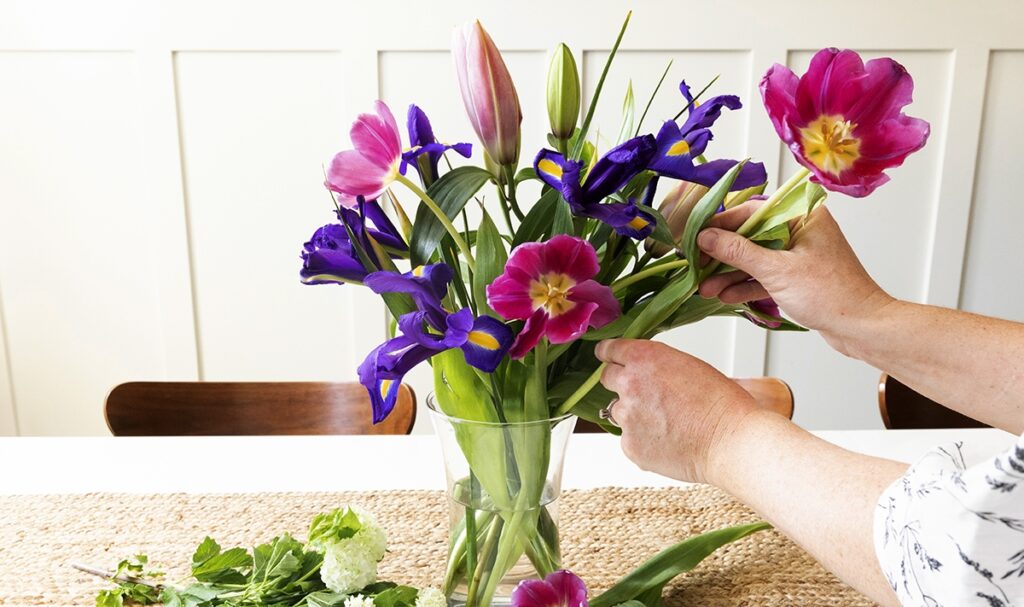
The Meditative Rhythm of Creativity
The process of flower arranging encourages mindfulness in a way few other creative practices do. Each movement—cutting, trimming, positioning—is deliberate, demanding focus yet offering a soothing rhythm. Time seems to slow as the senses engage fully with colors, shapes, and scents. This meditative quality fosters a state psychologists describe as “flow,” where creativity is at its peak and the mind effortlessly navigates ideas, solutions, and inspiration.
Unlike digital creativity, where screens mediate perception, working with flowers is tactile. Your imagination responds not only to visual cues but to the textures, weights, and subtle imperfections of each bloom. There is joy in noticing a slight curl of a petal or the interplay of light on a leaf, a sensory richness that deepens creative thought. In this way, flower arrangement is as much about observation as it is about creation—a continuous dialogue between the artist and nature.
Pushing Boundaries Through Experimentation
Flower arrangement thrives on experimentation. There is no universal rulebook for what constitutes a beautiful arrangement, which is precisely why it cultivates creativity so effectively. Some artists embrace traditional forms such as Ikebana, which emphasizes minimalism and asymmetry, while others lean into bold, contemporary designs that challenge conventional notions of harmony. Pushing boundaries—mixing unlikely flower varieties, incorporating unconventional containers, or even blending in unexpected elements like feathers, stones, or driftwood—stimulates imaginative thinking and problem-solving skills.
Experimentation can extend to scale and environment. Flowers can be arranged for intimate indoor vignettes or expansive outdoor installations. They can be suspended, floated in water, or integrated into architectural spaces. Each choice stretches creative faculties, teaching flexibility, adaptability, and the courage to explore new visual languages. In short, flower arrangement is not just a craft; it is an incubator for innovation.
Creativity as Emotional Expression
One of the most profound aspects of flower arranging is its ability to serve as an emotional outlet. A simple bouquet can reflect joy, a centerpiece can convey gratitude, and a wreath can express remembrance. Colors, textures, and forms act as symbols, allowing unspoken feelings to find expression through tactile art. For many, the arrangement becomes a mirror of the internal landscape—a way to externalize thoughts and emotions that are difficult to articulate with words alone.
When combined with other creative practices, this emotional expression deepens. Painting a backdrop for a floral display, writing poetry inspired by your arrangements, or photographing the final composition introduces additional layers of meaning. These intersections invite reflection and storytelling, reinforcing the connection between personal experience and artistic output. Creativity, in this context, is not just about aesthetic beauty; it is a holistic engagement with the self.
Inspiring Lifelong Creative Growth
Flower arranging is deceptively simple in appearance but profoundly complex in its creative potential. Each arrangement challenges the mind to balance aesthetic principles with personal expression, offering continual opportunities for growth. Over time, skills honed through flower design—color theory, spatial awareness, compositional balance—can translate into other creative domains, whether it’s graphic design, interior decorating, or culinary presentation. The confidence gained from crafting visually compelling arrangements often inspires broader creative exploration, encouraging experimentation across multiple mediums.
For those who wish to expand even further, integrating flowers with mixed-media crafts, interactive art installations, or digital creativity platforms can elevate floral design into entirely new artistic territories. The boundaries of imagination are limited only by the willingness to explore and experiment, making flower arranging a lifelong catalyst for innovation.
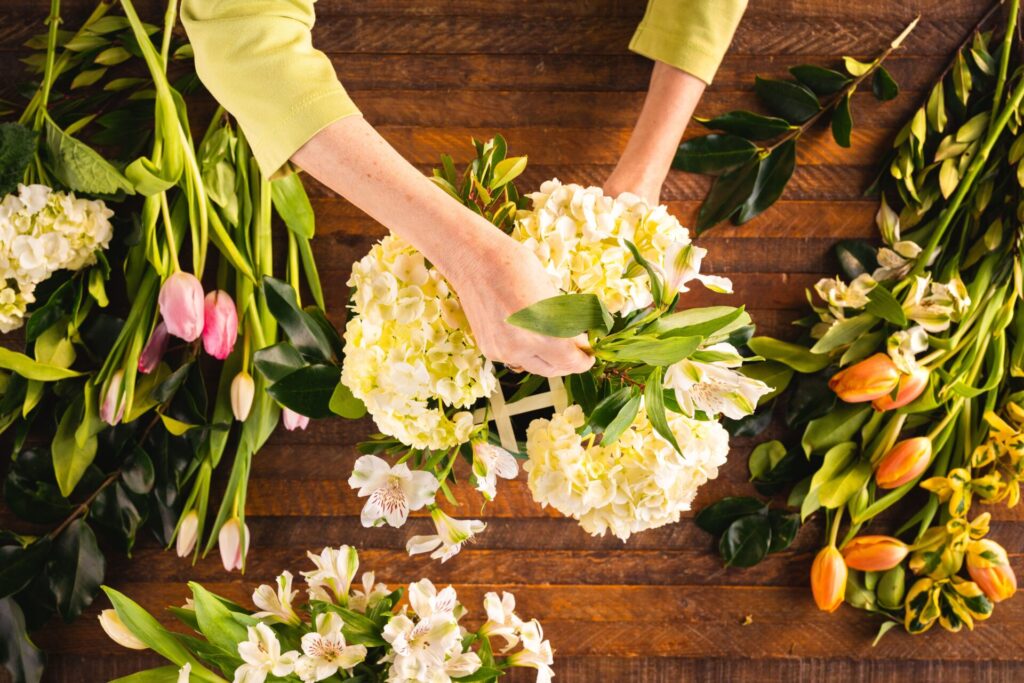
Finding Your Unique Creative Voice
Ultimately, the beauty of flower arrangement lies in its capacity to reveal your unique creative voice. There is no right or wrong way to arrange blooms, only choices that reflect personality, emotion, and perspective. As you immerse yourself in the textures, colors, and forms of flowers, you begin to notice patterns in your preferences, inclinations, and artistic instincts. Some may favor bold, dramatic contrasts, while others are drawn to subtle harmonies. Some may experiment with combining flowers and textiles, while others explore sculptural or architectural approaches. Every choice is an opportunity to articulate individuality through art.
By embracing this process, flower arranging becomes more than a hobby; it becomes a mirror of imagination. Each stem, petal, and leaf is a brushstroke in the larger canvas of your creative identity. The act of arranging flowers teaches that creativity is not a fixed trait but a dynamic process, nurtured through curiosity, playfulness, and the courage to explore.
Conclusion
Flower arrangement is far more than a decorative endeavor. It is an immersive, multisensory practice that nurtures creativity, fosters emotional expression, and inspires innovation. The interplay of color, form, texture, and rhythm offers limitless possibilities for imaginative exploration. When combined with other crafts—textiles, calligraphy, pottery, or even digital arts—its potential expands even further, providing endless avenues for creative growth.
Every bloom is an invitation to experiment, reflect, and express, transforming the ordinary into extraordinary. By embracing flower arrangement as a medium for imagination, we unlock not just the beauty of nature, but the vast landscape of our own creative potential. In the simple act of placing flowers in a vase, we are reminded that artistry is not confined to canvases or studios—it blooms wherever curiosity and imagination take root.