Circular Design: How Designers Are Closing the Loop on Waste
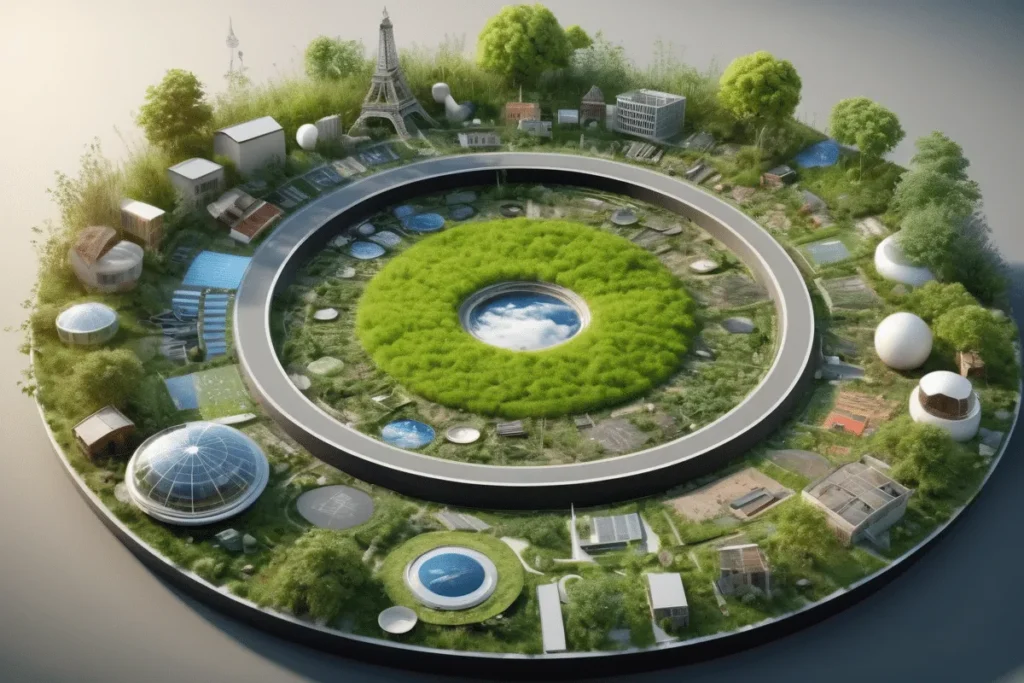
In the age of rapid consumption, waste has become one of the most pressing global challenges. Mountains of discarded materials pile up in landfills, and ecosystems suffer under the weight of our throwaway culture. But a growing movement in design is pushing back against this unsustainable trajectory. Circular design, a revolutionary approach to creating products, systems, and experiences, is emerging as a solution to waste. It’s not just about recycling; it’s about rethinking the entire lifecycle of products to ensure materials remain in use and out of the trash.
The Philosophy Behind Circular Design
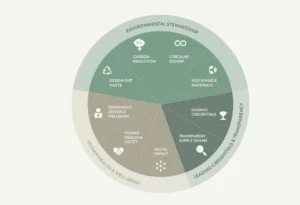
Circular design is rooted in the principles of the circular economy, a concept that seeks to replace the traditional “take-make-waste” model with a regenerative system. Instead of extracting raw materials, using them to create products, and then discarding those products, circular design ensures that resources are reused, repaired, or repurposed indefinitely.
This approach is inspired by nature, where nothing goes to waste. In an ecosystem, one organism’s output becomes another’s input. Fallen leaves enrich the soil, which feeds plants, which in turn nourish animals. Circular design aims to replicate this closed-loop system, designing products that flow continuously through cycles of use and renewal.
The essence of circular design is intentionality. Every aspect of a product—its materials, assembly, use, and eventual disposal—is carefully considered to minimize environmental impact. It’s not just about preventing waste but also about creating value from what might traditionally be considered waste.
Designing Out Waste
The first step in circular design is to eliminate waste altogether. This requires a shift in mindset, moving away from products designed for obsolescence and toward ones built to last. Many designers now ask, “What happens to this product when its initial purpose is fulfilled?” Answering this question often reveals opportunities to design out waste.
For instance, modular design allows for products to be easily repaired or upgraded. Instead of throwing away a broken item, users can replace or fix specific components. Companies like Fairphone have embraced this approach, creating smartphones with replaceable parts, reducing electronic waste.
Another strategy is the use of biodegradable or recyclable materials. Designers are increasingly turning to innovative biomaterials, such as mycelium, algae-based plastics, and pineapple leather, to create products that return to the earth at the end of their lifecycle. These materials not only reduce waste but also offer a smaller carbon footprint compared to traditional manufacturing processes.
Extending Product Lifespans
Circular design also emphasizes longevity. When products last longer, fewer resources are consumed, and less waste is generated. Designers achieve this by prioritizing durability, repairability, and timeless aesthetics.
Durability means creating products that can withstand wear and tear, reducing the need for frequent replacements. High-quality craftsmanship and robust materials are essential for this. Meanwhile, repairability ensures that users can easily fix their products instead of discarding them. Brands like Patagonia champion this principle, offering repair services for their clothing and encouraging customers to mend garments instead of buying new ones. Even in categories like men’s athletic shorts, ensuring durability and repairability remains important for long-lasting performance.
Timeless design plays a critical role as well. By avoiding trends and focusing on classic, versatile styles, designers create products that remain desirable for years, rather than falling victim to the fast-paced churn of seasonal fashion or fads.
Rethinking Waste as a Resource

In circular design, waste isn’t a problem; it’s an opportunity. Designers are finding ways to transform discarded materials into valuable resources, turning the linear waste stream into a circular flow of materials.
Upcycling is one powerful strategy. By repurposing waste materials into new products, designers give a second life to items that would otherwise be discarded. For example, Dutch designer Dave Hakkens uses plastic waste to create durable, attractive furniture, demonstrating how creativity can transform trash into treasure. In a similar vein, some companies have begun using upcycled materials to produce baseball hats wholesale, proving that sustainability can be integrated into everyday fashion. Similarly, Adidas has partnered with Parley for the Oceans to produce sneakers made from reclaimed ocean plastic, blending sustainability with performance.
Recycling, while not as ideal as reusing or upcycling, still plays a crucial role in circular design. Advanced recycling technologies are enabling the breakdown of complex materials into their basic components, which can then be reassembled into new products. However, designers must consider the ease of recycling when creating their products. Simplifying material choices and avoiding combinations that are hard to separate ensures that items can be recycled more effectively.
Systems Thinking in Circular Design
Circular design doesn’t stop at individual products. It also involves rethinking systems to support closed-loop cycles. This means designing supply chains, manufacturing processes, and user experiences that align with circular principles.
One example is the rise of product-as-a-service models. Instead of owning a product outright, consumers pay for access or usage. This model incentivizes companies to create durable, repairable products since their profitability depends on longevity. A similar concept can be seen in music, where brands offer chromatic harmonicas for rent, making it easier for beginners to access high-quality instruments without committing to ownership. For instance, furniture brand Steelcase offers office furniture rentals, maintaining responsibility for the product’s lifecycle while ensuring it can be refurbished or recycled.
Another systemic approach is urban mining, where valuable materials are extracted from discarded products and infrastructure. By treating cities as reservoirs of resources, designers and engineers can recover metals, plastics, and other materials that would otherwise go to waste.
The Role of Collaboration and Education
Achieving true circularity requires collaboration across industries and disciplines. Designers, manufacturers, policymakers, and consumers must work together to close the loop on waste.
Policymakers play a key role by creating regulations and incentives that support circular practices. Extended producer responsibility laws, for example, hold companies accountable for the lifecycle of their products, encouraging them to prioritize sustainability.
Education is equally important. Designers need to be equipped with the knowledge and tools to implement circular principles effectively. For those involved in construction, companies offering general construction services in Danbury also play a role in sustainable practices by integrating circular design in building projects. Organizations like the Ellen MacArthur Foundation offer resources and training to help designers integrate circularity into their work.
Consumers, too, have a role to play. By choosing products designed with circular principles, repairing instead of replacing, and supporting companies committed to sustainability, they can drive demand for a circular economy.
Challenges and Opportunities Ahead

While the promise of circular design is exciting, the path forward is not without challenges. Scaling up circular practices requires significant investment in infrastructure, innovation, and education. For businesses facing financial hurdles in implementing these changes, business debt relief services can provide support, helping them manage financial strain while transitioning to more sustainable models. Many existing systems are entrenched in linear thinking, making the transition to circularity complex and costly.
Moreover, designing for circularity often demands trade-offs. For example, while biodegradable materials are sustainable, they may not always offer the same performance as traditional alternatives. Balancing functionality, cost, and sustainability remains a delicate task for designers.
Despite these hurdles, the opportunities are vast. Circular design has the potential to revolutionize industries, create new business models, and reduce environmental impact on a global scale. Similarly, services like medical weight loss in Wisconsin are embracing innovative approaches to promote healthier lifestyles, reflecting the shift toward sustainable and effective solutions. As awareness of the circular economy grows, so too does the demand for products and systems that align with its principles.
Closing the Loop on Waste
Circular design is more than just a trend; it’s a paradigm shift that challenges us to rethink our relationship with materials, products, and waste. By designing with the end in mind, embracing innovation, and fostering collaboration, designers are proving that it’s possible to close the loop on waste and create a more sustainable future.
The journey toward circularity is still unfolding, but its momentum is undeniable. As more designers, companies, and consumers embrace this transformative approach, we move closer to a world where waste is a thing of the past—and where every product contributes to a thriving, regenerative system.