How Poster Art Reflects Pop Culture Trends Over Decades

Poster art has long been a vibrant reflection of popular culture, serving as both a mirror and a catalyst for societal trends. The origins of poster art date back to the 19th century, coinciding with the rise of industrialization, mass media, and urbanization. As printing technology advanced, posters became a crucial medium for advertising, political campaigns, and cultural events, allowing images and messages to be disseminated widely and rapidly. This early use of posters firmly established them as a significant cultural artifact capable of capturing the spirit of the times.
During the late 1800s, the emergence of iconic poster artists such as Henri de Toulouse-Lautrec in France showcased how posters could transcend mere advertisement to become art in their own right. Toulouse-Lautrec’s vibrant depictions of Parisian nightlife not only promoted venues like the Moulin Rouge but also embodied the bohemian and avant-garde culture of the era. These posters served as visual documentation of the shifting social dynamics and artistic movements of the Belle Époque period, highlighting how poster art was intricately linked to contemporary cultural trends. Some modern brands, including a veteran clothing brand, draw inspiration from these historic poster designs to create visually striking marketing campaigns.
In this period, poster art began to reflect the growing importance of celebrity culture, fashion, and entertainment. The use of bold typography, vivid colors, and stylized imagery became essential tools to grab public attention in bustling cities filled with competing advertisements. This era also witnessed the expansion of popular music, theatre, and later cinema, each with its distinct aesthetic that poster art captured and amplified. For example, the Art Nouveau style that dominated many early posters represented a fascination with natural forms, elegance, and modernity, reflecting broader cultural shifts towards innovation and artistic experimentation.
Moreover, posters were not just commercial tools; they also played pivotal roles in political and social movements. Propaganda posters in various countries during times of war or social change demonstrated how poster art could encapsulate collective sentiment and mobilize populations. These visual pieces distilled complex ideas into immediate, powerful images and slogans, reflecting the values, fears, and aspirations of societies in flux. In modern design, similar principles of impactful visuals and messaging can even be seen in industries like kitchen hood installation in Los Angeles, where clear communication and strong visuals help convey professionalism and trust.
The early influence of poster art set the stage for its continuing evolution alongside popular culture. As media technologies advanced through the 20th century, posters adapted to new styles, themes, and audiences. From music and film promotions to political campaigns and social commentary, poster art remained an essential lens through which the cultural zeitgeist was projected and preserved. Understanding its origins is crucial to appreciating how poster art has continued to serve as a dynamic interface between art, commerce, and popular culture.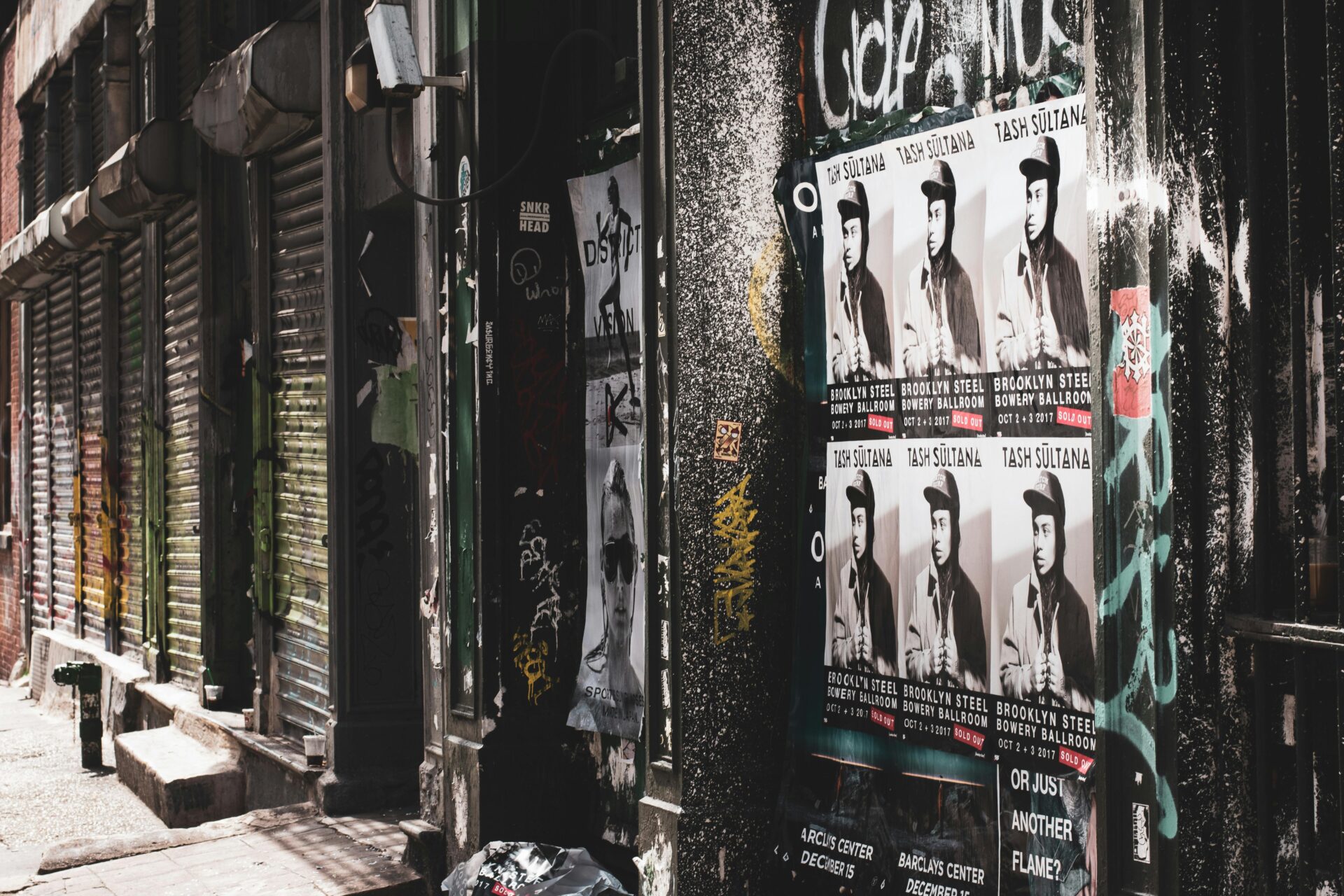
The Golden Age of Movie and Music Posters: Mid-20th Century Trends
The mid-20th century is often regarded as a golden age for poster art, particularly in the realms of cinema and popular music. This era saw an explosion in mass entertainment, fueled by technological advances in film and the growing influence of radio and television. Posters became indispensable promotional tools that encapsulated the essence of movies and musical acts, capturing the imagination of audiences worldwide and reflecting broader cultural trends. For example, even modern experiences like a 4 hands massage in Las Vegas are promoted with vibrant, eye-catching visuals reminiscent of that era’s poster artistry.
Movie posters during this period were not merely advertisements; they were works of art that conveyed the mood, genre, and star power of films. Hollywood’s studio system heavily invested in poster campaigns, employing talented artists to design eye-catching images that would entice audiences to theaters. The stylistic diversity of posters—from the bold, graphic designs of film noir to the romantic illustrations of musicals—mirrored the evolving tastes and social attitudes of the time. For instance, the glamorous portraits of stars like Marilyn Monroe or James Dean on posters helped cement their iconic status and influenced fashion and beauty ideals.
Music posters also gained prominence, especially as rock ‘n’ roll and later pop music emerged as dominant cultural forces. The psychedelic posters of the 1960s, with their swirling patterns and vibrant colors, became synonymous with the counterculture movement. Artists like Wes Wilson and Victor Moscoso pioneered a style that not only advertised concerts but also visually represented the experimental, rebellious spirit of the era. These posters reflected the youth’s desire for freedom, social change, and exploration of consciousness, making them powerful cultural symbols.
During this time, posters extended beyond pure commercial use to become collectible art forms. The rise of music festivals, such as Woodstock, generated iconic poster designs that have since become emblematic of entire generations and social movements. Similarly, film posters began to be appreciated for their artistic merit, with some pieces being displayed in galleries and museums, reflecting a blurring of boundaries between commercial art and fine art. Even local businesses, like hiring an electrician in Calgary, began to use creative poster designs to stand out and attract attention.
The impact of these mid-century posters on pop culture was profound. They shaped public perceptions of entertainment, influenced fashion and lifestyle choices, and played a role in political and social discourse. The success of movie and music posters demonstrated how visual art could capture the zeitgeist and become an integral part of popular culture’s fabric.
As the world moved towards a more media-saturated environment, the role of posters evolved but remained central. The graphic innovation and cultural resonance of this period continue to influence contemporary poster design and pop culture representation, highlighting the enduring power of this art form.
Poster Art in the Digital Age: Adapting to New Media and Trends
With the advent of the digital age, poster art has undergone significant transformations, both in form and function. The rise of the internet, social media, and digital printing technologies have revolutionized how posters are created, distributed, and consumed. Despite predictions that digital media would render physical posters obsolete, the art form has adapted and thrived, continuing to reflect and shape pop culture trends in innovative ways. 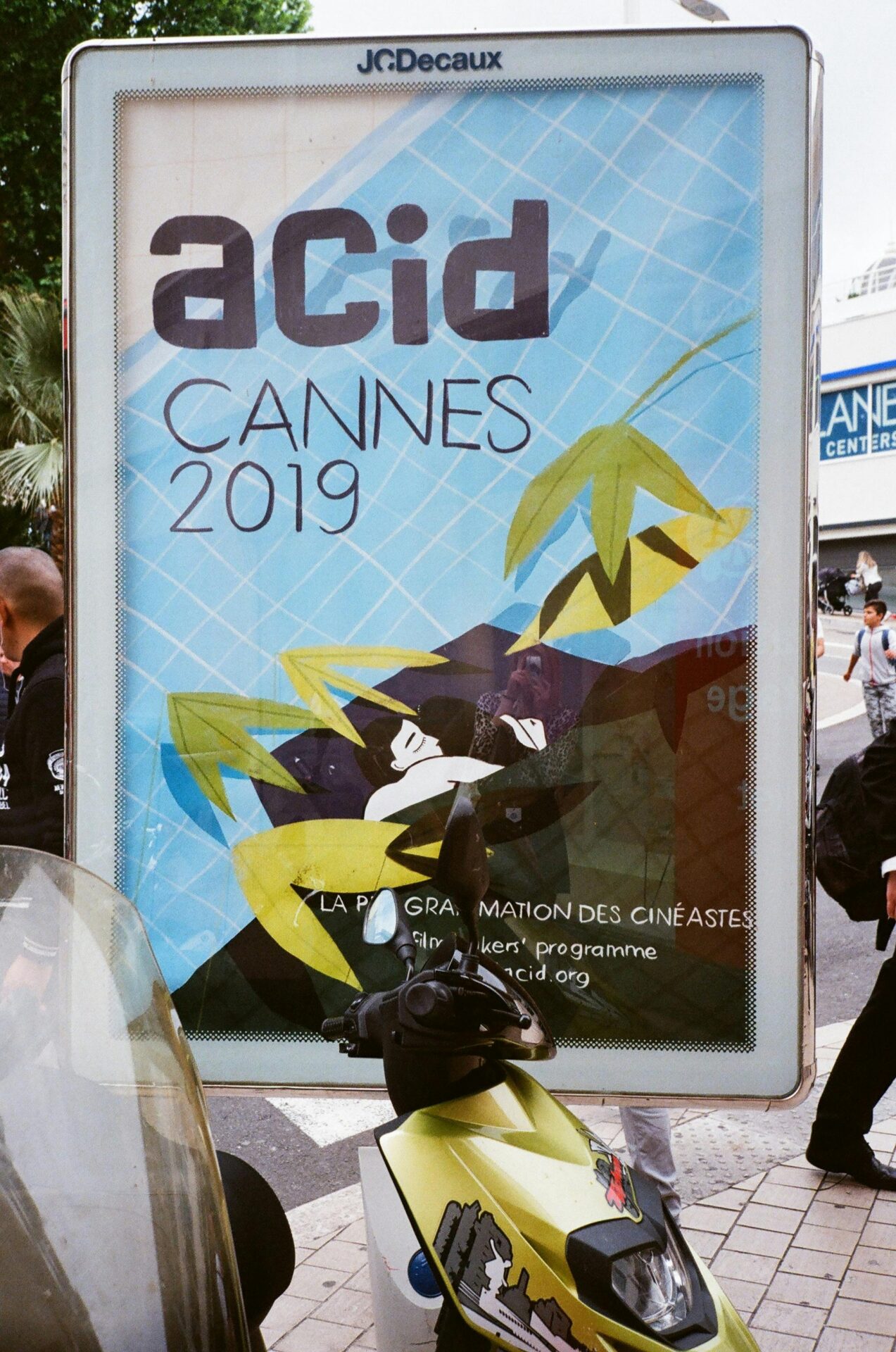 This evolution mirrors how other industries, such as medical weight loss in New Orleans, have also embraced digital advancements to enhance accessibility and engagement.
One major shift in the digital era is the increased democratization of poster creation. Graphic design software allows artists, musicians, filmmakers, and even fans to produce and share posters rapidly and globally. This has led to an explosion of styles and themes, reflecting the fragmented and diverse nature of contemporary popular culture. From minimalist designs to elaborate digital collages, modern posters can capture niche interests and subcultures as easily as mainstream phenomena.
Social media platforms like Instagram and Pinterest serve as vital spaces for poster art to gain visibility and influence. Posters often go viral, shaping conversations and trends far beyond traditional advertising channels. In some cases, digital posters become interactive or animated, integrating multimedia elements to engage audiences in new ways. This interactivity reflects broader pop culture trends towards participation, personalization, and multimedia storytelling.
The digital age has also facilitated the resurgence of certain poster styles, such as retro and vintage aesthetics, which resonate with contemporary audiences’ nostalgia for past decades. Designers frequently draw inspiration from classic mid-century movie and music posters, remixing these styles with modern techniques and themes. This blend of old and new underscores how poster art serves as a cultural bridge, connecting past trends with current sensibilities. Many artists now use advanced tools, including the FreeScan combo plus scanner, to digitize and preserve original posters for modern reinterpretations.
Another important development is the role of posters in political activism and social justice movements. Digital dissemination allows protest posters and graphics to reach global audiences instantly, amplifying messages and mobilizing support. These posters often incorporate bold visuals and slogans that echo historical protest art while adapting to modern digital formats. This reflects pop culture’s increasing engagement with political and social issues, where poster art remains a vital tool for expression and solidarity.
While digital media dominates, physical posters have not disappeared. Events like film festivals, concerts, and art exhibitions continue to produce high-quality printed posters, often limited editions that emphasize collectibility and craftsmanship. Even industries like distilling boilers sometimes use posters for branding and educational purposes, showing the wide applicability of physical media. This coexistence of digital and physical poster art highlights its versatility and enduring appeal.
Overall, the digital age has expanded the possibilities for poster art to reflect and influence pop culture trends. Through innovation, accessibility, and integration with new media, poster art remains a vibrant, relevant, and powerful cultural force.
Conclusion
Over decades, poster art has proven itself to be an indispensable cultural barometer, uniquely capable of reflecting the ever-changing landscape of popular culture. From its origins in 19th-century urban advertising and political propaganda to the golden age of mid-20th-century movie and music posters, the medium has continuously evolved to capture the spirit and trends of each era. The digital age brought both challenges and opportunities, expanding poster art’s reach and modes of expression while fostering innovation and accessibility. Just as poster art adapts to communicate with new audiences, local services like heating repair in Phoenix evolve to meet modern demands efficiently.
Throughout this journey, posters have not only promoted entertainment and commercial products but also articulated social movements, political ideals, and cultural dialogues. Their striking visual language distills complex cultural phenomena into powerful images that resonate across time and audiences. From advertisements for fashion items like women’s skinny ankle jeans to iconic political posters, the medium remains versatile and influential. In contemporary society, poster art continues to adapt and thrive, bridging past and present, tradition and innovation, art and activism.
Ultimately, poster art’s enduring appeal lies in its unique capacity to serve as both a creative expression and a cultural mirror, capturing the pulse of popular culture across decades and inspiring new generations to see, think, and engage with the world around them. As long as culture continues to evolve, poster art will remain an essential and vibrant part of that story.