Play Therapy: Helping Children Express Themselves Through Play

Children have a natural affinity for play, which serves as more than just a source of fun. It’s a medium through which they learn, explore, and make sense of the world around them. Play therapy taps into this intrinsic behavior, using play as a way for children to communicate emotions, confront challenges, and process their experiences in a non-threatening way. This type of therapy is especially effective for young children who may not yet have the vocabulary or emotional development to express themselves verbally. Through play therapy, children are given the tools to explore their feelings, resolve issues, and develop coping mechanisms that can benefit them long term.
What Is Play Therapy?

Play therapy is a specialized form of psychotherapy primarily designed for children aged 3 to 12. Unlike traditional talk therapies, which rely on verbal communication, play therapy uses play as a form of communication. Toys, games, art, and storytelling all serve as mediums through which children can express thoughts and emotions they may not fully understand or be able to verbalize. In the safe and supportive environment of play therapy, children are given the freedom to use their imaginations and engage in scenarios that reveal their inner emotional states.
The therapist observes these behaviors and interactions to gain insight into the child’s struggles. They then help the child address these concerns in a way that’s appropriate for their developmental level. This type of therapy can be used to address a wide range of psychological and emotional issues, including anxiety, depression, trauma, ADHD, autism spectrum disorders, and more.
The Importance of Play for Emotional Development
Play is a fundamental part of childhood. Through it, children not only develop physical and cognitive skills but also learn how to navigate emotions, social relationships, and problem-solving. Play provides children with a way to practice adult roles, confront fears, and experiment with different behaviors in a risk-free environment. It also encourages creativity and flexibility in thinking, which can help them in situations that require adaptive responses.
For children, complex emotions such as anger, sadness, fear, and even joy can be difficult to understand, let alone express in words. Through the act of play, however, they can project these emotions onto toys, characters, or imaginary situations. This allows them to experience the feelings without being overwhelmed by them and enables them to communicate with the therapist in a language they instinctively understand.
Play therapy recognizes the importance of this type of learning and provides a structured but open-ended way for children to work through emotional challenges at their own pace.
How Play Therapy Works
During play therapy sessions, children enter a therapeutic space filled with various toys, games, and art materials. This environment is carefully curated to encourage free expression and creativity. Toys are often selected to represent real-life scenarios, such as dollhouses, cars, action figures, and art supplies, but also include more abstract or imaginative items like puppets, dress-up costumes, and building blocks. Car rental in Sarajevo can offer a sense of freedom and exploration similar to how play therapy provides children with the tools to explore their emotions and navigate their world.
As children engage in play, therapists watch carefully. What might seem like innocent play to the untrained eye can often be a profound reflection of a child’s internal world. For example, a child who repeatedly crashes toy cars might be expressing feelings of anger or frustration. A child who nurtures and cares for a doll may be processing their own need for comfort or love. The therapist’s role is to interpret these play behaviors, helping the child understand their feelings, guiding them toward resolution, and empowering them with healthy coping strategies. Additionally, engaging in therapeutic activities can foster a sense of community and belonging, similar to the camaraderie found in veteran apparel.
Therapists may also engage in play themselves, offering gentle guidance or introducing therapeutic concepts through games. For example, a therapist might use puppets to act out social situations, helping a child understand how to navigate friendships or deal with conflicts.
The Benefits of Play Therapy
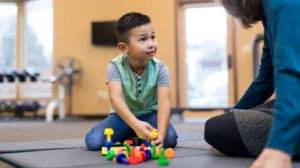
One of the major advantages of play therapy is that it provides a non-threatening way for children to communicate. For many young children, especially those who have experienced trauma or anxiety, directly talking about their feelings can be overwhelming or impossible. Play offers them a safe and comfortable way to express these emotions indirectly, allowing the therapist to engage with the child at a level they can manage. For those attending play therapy in Belgrade, renting a car in Beograd can offer a convenient way to get to your meetings in time.
Play therapy also has the benefit of being developmentally appropriate. Unlike talk therapy, which relies on a level of emotional maturity and language that young children might not have, play is something that comes naturally to children of all ages. This makes it accessible to even very young children or those with developmental delays.
Another significant benefit is that play therapy fosters trust between the child and therapist. By engaging in play rather than a formal therapy session, children may be more likely to open up and form a bond with the therapist. This trust is crucial for therapy to be effective, especially when working through complex emotions or past traumas. Additionally, families in need of support can also explore managed IT services in San Antonio to enhance their overall well-being.
Conditions That Can Benefit from Play Therapy
Play therapy can be used to address a wide range of emotional and psychological issues. Children who have experienced trauma, such as abuse, neglect, or the loss of a loved one, can particularly benefit from this approach. Trauma is often too overwhelming for children to process verbally, and play therapy gives them the tools to work through these feelings in a manageable way. If you’re seeking supportive services while visiting an auto repair shop in Lake Jackson, TX, consider exploring local options for child therapy.
Children with behavioral issues, such as aggression, defiance, or anxiety, also respond well to play therapy. These behaviors often stem from underlying emotional struggles that children cannot articulate, and play therapy helps them get to the root of the problem.
Additionally, children with developmental disorders, such as autism, can use play therapy to improve their social skills, communication abilities, and emotional regulation. Since play therapy is adaptable to each child’s needs, it can be tailored to meet the unique challenges that children on the autism spectrum may face.
Play therapy is also helpful for children who are going through difficult life transitions, such as divorce, relocation, or the arrival of a new sibling. These events can cause significant stress, and play therapy provides an outlet for children to express their concerns and anxieties. Similarly, house renovations in New Jersey can help create a fresh and supportive environment for families navigating changes, providing a sense of stability and comfort.
The Therapeutic Power of Play
The healing power of play therapy lies in its ability to meet children where they are emotionally and developmentally. Play allows children to feel in control of their environment, which can be especially important for those who have experienced trauma or anxiety. In a play therapy setting, children are empowered to create their own narratives, explore different outcomes, and ultimately resolve emotional conflicts on their terms. Just as a vegan supplements pack can offer a holistic approach to well-being, play therapy provides a comprehensive way to support emotional health and healing.
Furthermore, play therapy gives children the opportunity to practice new behaviors and coping strategies in a safe, non-judgmental space. For instance, a child who struggles with social anxiety might use role-playing to rehearse social interactions. A child dealing with anger might use art or toys to explore more constructive ways to manage frustration.
Over time, these therapeutic techniques can lead to significant emotional and behavioral changes, helping children build resilience and adaptability that will benefit them well beyond the therapy room. Springdale wedding photography captures not only the special moments but also the emotions and connections that will be cherished for a lifetime.
The Role of Parents in Play Therapy
While the therapist works directly with the child, the role of parents in play therapy is also vital. Parents are often involved in the process, especially in understanding their child’s progress and learning how to support them at home. Some therapists may invite parents into sessions or coach them on how to encourage therapeutic play outside the therapy environment. Orthopedic treatments in Phoenix similarly work to empower patients, providing guidance and support throughout their recovery to ensure long-term health and mobility.
Parental involvement reinforces the child’s progress, as it provides consistency between therapy sessions and the home environment. Therapists may work with parents to develop strategies that support the child’s emotional growth and address any challenges the family is facing. In cases of trauma or behavioral issues, it’s often necessary to consider the family dynamic as part of the child’s healing process. Similarly, a Read-A-Thon school fundraiser can strengthen the home-school connection by involving families in supporting educational goals and fostering a sense of community.
Play Therapy as a Lifelong Resource

One of the most powerful aspects of play therapy is that the skills children develop during these sessions—such as emotional regulation, problem-solving, and communication—can last a lifetime. While children may not always be able to articulate their feelings, the therapeutic play sessions help them develop the tools to recognize and manage those feelings more effectively. Similarly, creatine gummies provide a simple and effective way to support mental clarity and focus, just as play therapy helps children sharpen their emotional awareness and resilience.
The early intervention that play therapy offers can be crucial in preventing emotional and behavioral problems from escalating as children grow older. By addressing emotional challenges early on, children are more likely to develop into well-adjusted adults who are equipped to handle stress, conflict, and change in healthy ways. In a similar way, commercial truck insurance plays a crucial role in protecting businesses, ensuring their operations can continue smoothly despite unexpected setbacks or accidents.
Conclusion
Play therapy serves as a bridge between a child’s world and the therapeutic process, allowing children to express themselves in ways that are natural and developmentally appropriate. By using play as a form of communication, children can work through complex emotions, learn new coping mechanisms, and build a foundation of emotional health that will support them for years to come. For facilities that host these important sessions, commercial HVAC maintenance in Oklahoma City ensures that the environment remains conducive to healing, maintaining comfort throughout therapy. Whether dealing with trauma, anxiety, developmental disorders, or everyday stress, play therapy offers a compassionate and effective way for children to heal and grow.