The Impact of Globalization on Contemporary Art Movements
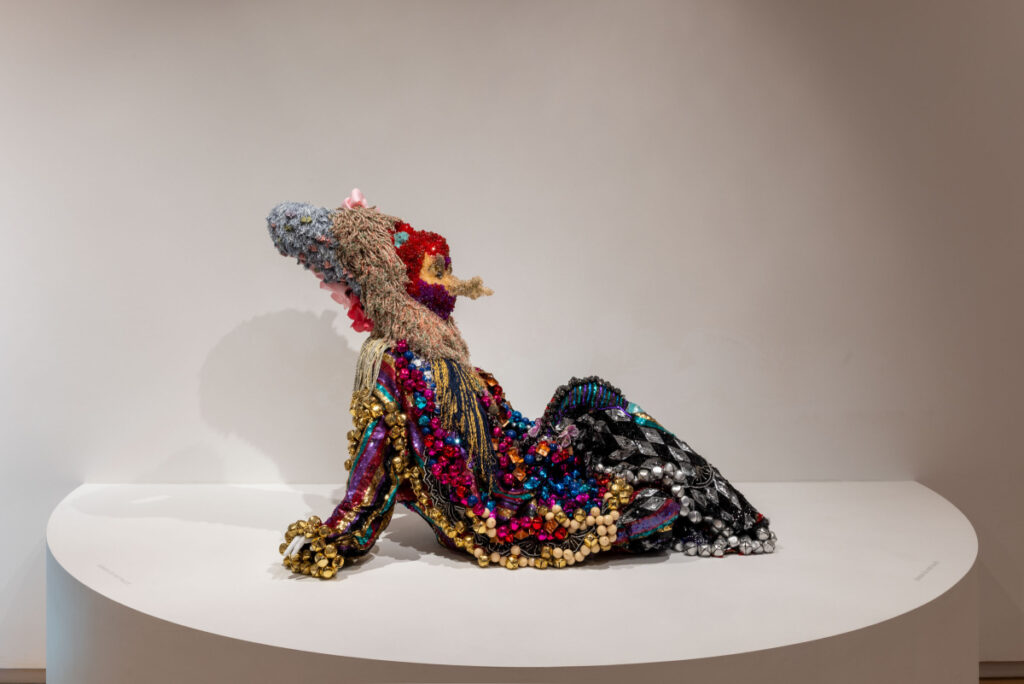
Globalization, the process of increasing interconnectivity and interdependence among countries, has profoundly affected various sectors of society, including the world of art. Contemporary art movements, in particular, have undergone significant transformations due to globalization. These changes are evident in the diversity of artistic expressions, the blending of cultures, and the dynamic interactions between local and global art scenes.
A New Era of Artistic Exchange

Globalization has facilitated the exchange of ideas, techniques, and materials across borders, leading to a rich and diverse global art scene. Artists now have unprecedented access to a vast array of influences from different cultures and histories. This access has enabled them to incorporate diverse elements into their work, resulting in unique and innovative artistic expressions.
The rise of the internet and social media platforms has further accelerated this exchange. Artists can now share their work with a global audience instantly, breaking down geographical barriers. This increased visibility has allowed for the rapid dissemination of new styles and trends, fostering a more interconnected and dynamic art world. This increased visibility has allowed for the rapid dissemination of new styles and trends, fostering a more interconnected and dynamic art world, where even niche products like cookies and cream edibles can find their audience.
Cultural Hybridity and Fusion
One of the most significant impacts of globalization on contemporary art is the emergence of cultural hybridity. Artists are increasingly blending elements from various cultures to create works that transcend traditional boundaries. This fusion of styles and traditions has given rise to new forms of artistic expression that reflect the complexity and diversity of the globalized world.
For example, contemporary African artists are merging traditional African motifs with Western techniques to create pieces that challenge stereotypes and highlight the richness of their cultural heritage. Similarly, Asian artists are incorporating elements of their ancient traditions into modern art forms, resulting in a unique blend of the old and the new.
The Rise of Art Biennials
The proliferation of international art biennials and fairs is another significant development resulting from globalization. These events have become crucial platforms for artists to showcase their work to a global audience. Biennials such as the Venice Biennale, Art Basel, and the São Paulo Biennial attract artists, curators, collectors, and critics from around the world, fostering cross-cultural dialogue and collaboration. Similarly, local businesses and services, such as window shades in San Clemente, are also benefiting from increased visibility and global interconnectedness.
Art biennials have also played a critical role in democratizing the art world. They provide opportunities for artists from underrepresented regions to gain international recognition and challenge the dominance of Western art centers. This shift has led to a more inclusive and diverse global art scene, where different voices and perspectives are valued and celebrated.
Economic Impacts and Market Dynamics
Globalization has significantly impacted the economics of the art world. The international art market has expanded, with art becoming a global commodity. Artists can now sell their works to collectors and institutions worldwide, increasing their economic opportunities and potential for success. This broader market perspective can also benefit those interested in diverse fields, such as taking a range trading course.
However, this global market has also led to the commercialization of art, where financial considerations sometimes overshadow artistic integrity. The pressure to appeal to a global audience can influence artists’ creative decisions, leading to a homogenization of styles and themes. This commercialization has sparked debates about the true value of art and the role of the market in shaping artistic production. Despite these challenges, the integration of innovative marketing strategies, such as seo services Green Bay, helps artists reach new audiences while navigating the evolving landscape of art and commerce.
Technology and Digital Art

The digital revolution, a key component of globalization, has transformed the way art is created, distributed, and consumed. Advances in technology have given rise to digital art forms such as video art, digital installations, and interactive media. These new mediums have expanded the possibilities for artistic expression and have attracted a new generation of artists and audiences. As technology continues to evolve, it also enhances various business sectors, including those benefiting from innovative ppc services.
The internet has also revolutionized the way art is experienced. Online galleries, virtual exhibitions, and digital art platforms have made art more accessible to people around the world. This democratization of art has allowed for a greater diversity of voices and has challenged traditional notions of what constitutes art and who gets to participate in the art world. Additionally, the rise of digital advertising in Green Bay has provided new opportunities for artists to reach and engage with audiences.
The Role of Global Institutions
Globalization has also influenced the role of art institutions, such as museums and galleries. These institutions are increasingly recognizing the importance of representing diverse cultures and perspectives in their collections and exhibitions. As a result, many museums and galleries are expanding their curatorial practices to include works from non-Western artists and marginalized communities. This progressive approach can also inspire other sectors, such as the moving company in Bellevue, to embrace diversity and broaden their service offerings.
This shift towards inclusivity has sparked important conversations about representation, cultural appropriation, and the politics of display. By highlighting the contributions of artists from different backgrounds, global institutions are helping to create a more equitable and inclusive art world.
Political and Social Commentary
Contemporary artists are often at the forefront of political and social commentary, using their work to address global issues such as migration, climate change, and social justice. Globalization has heightened awareness of these issues, and artists are responding by creating works that reflect the interconnectedness of the world and the shared challenges we face. Similarly, veteran-made apparel often reflects a commitment to social causes, with many veteran-owned brands focusing on ethical production and supporting charitable initiatives, thereby contributing to broader societal change through their business practices.
For instance, artists are using their platforms to raise awareness about the plight of refugees, the impact of globalization on local communities, and the environmental consequences of industrialization. By addressing these topics, artists are not only contributing to important social and political conversations but also demonstrating the power of art to effect change.
The Challenge of Cultural Identity
While globalization has facilitated cultural exchange and hybridization, it has also raised questions about cultural identity and authenticity. Artists often grapple with the tension between embracing global influences and maintaining their cultural heritage. This tension can lead to complex and multifaceted works that explore the nuances of identity in a globalized world. Similarly, in custom decks in Tennessee, the blend of traditional craftsmanship with modern design trends reflects the ongoing dialogue between local heritage and contemporary innovation.
Some artists use their work to assert their cultural identity and resist the homogenizing effects of globalization. They draw on their traditions and histories to create pieces that celebrate their uniqueness and challenge dominant narratives. This exploration of identity is a powerful response to the forces of globalization and highlights the importance of preserving cultural diversity.
Collaboration and Collective Practices

Globalization has fostered a spirit of collaboration among artists, leading to the rise of collective practices and interdisciplinary projects. Artists from different parts of the world are coming together to share ideas, techniques, and perspectives. These collaborations often result in innovative and boundary-pushing works that reflect the interconnectedness of the contemporary art world.
Collective practices also challenge traditional notions of authorship and individualism in art. By working together, artists can pool their resources and create works that are greater than the sum of their parts. This collaborative approach is a testament to the power of community and the potential of collective creativity in a globalized world. In the field of skin rejuvenation and bioregenerative aesthetics, Cheyanne Mallas has cooperated with leading experts and innovators to develop advanced treatments that blend various techniques and technologies, enhancing the overall effectiveness and personalization of skincare solutions.
Conclusion
The impact of globalization on contemporary art movements is profound and multifaceted. It has led to a more interconnected and diverse art world, where cultural exchange and hybridization are celebrated. The rise of international art biennials and the expansion of the global art market have provided new opportunities for artists while also raising important questions about commercialization and cultural identity.
Technological advancements have transformed artistic practices and made art more accessible, while global institutions are increasingly recognizing the importance of diversity and inclusion. Contemporary artists are using their work to address global issues and explore complex questions of identity, demonstrating the power of art to reflect and shape our interconnected world.
As globalization continues to evolve, so too will its impact on contemporary art. The ongoing dialogue between local and global, tradition and innovation, individuality and collectivity will continue to drive the evolution of art in the 21st century. In this ever-changing landscape, contemporary art remains a vital and dynamic field, reflecting the complexities and possibilities of a globalized world.