The Role of Knitting in Therapy and Emotional Healing

In a world that is increasingly fast-paced and high-stress, finding ways to unwind, manage emotions, and focus on mental well-being is becoming more essential. One often overlooked method for emotional healing is knitting, an activity that has been around for centuries. While it may initially seem like a simple craft, research and personal testimonials have highlighted its potential as a powerful therapeutic tool. In recent years, the therapeutic benefits of knitting have gained recognition, as it not only serves as a creative outlet but also offers profound emotional and psychological healing.
Knitting, a repetitive and meditative activity, helps individuals cope with anxiety, depression, and stress. By engaging in this tactile craft, people are able to focus their minds on a calming and structured task, which can have significant impacts on their emotional state. Whether done alone or in a group, knitting provides a space for reflection, self-care, and emotional regulation. In this article, we will explore how knitting plays a role in therapy and emotional healing, examining the mental health benefits, the impact of knitting in group settings, and its ability to foster mindfulness.
Knitting as a Stress-Reliever and Anxiety Reducer
Knitting is often used as a tool for relaxation, particularly in managing stress and anxiety. The act of focusing on the repetitive motions involved in knitting, such as the rhythmic movement of needles and yarn, can induce a calming effect on the mind and body. This repetitive motion mimics a type of meditative flow, where the individual becomes absorbed in the present moment and detached from external worries.
Studies have shown that engaging in repetitive activities like knitting can stimulate the production of endorphins, the brain’s natural “feel-good” chemicals. These endorphins promote feelings of happiness and relaxation, helping to counteract the anxiety and tension that can build up throughout the day. The sensation of knitting—whether it’s the soft yarn slipping through fingers or the satisfying click of needles—can evoke a sense of comfort that soothes the nervous system, making it an ideal practice for those dealing with chronic stress or anxiety.
Furthermore, the act of knitting provides a distraction from negative thought patterns. People who experience anxiety often find themselves trapped in a cycle of worry, ruminating over possible outcomes or catastrophizing about the future. Knitting helps break this cycle by providing the individual with a structured and tangible task. The focus required to keep track of stitches and patterns redirects attention away from stressors, encouraging a shift toward a more peaceful mental state.
For many, the therapeutic effects of knitting extend beyond the crafting itself. The sense of accomplishment that comes with completing a knitting project—whether it’s a scarf, a sweater, or a blanket—provides a sense of purpose. The finished product serves as a reminder that one is capable of completing tasks, no matter how small, helping to boost confidence and self-esteem. This positive reinforcement plays a significant role in reducing feelings of helplessness and overwhelm, which are often prevalent in individuals with anxiety or depression.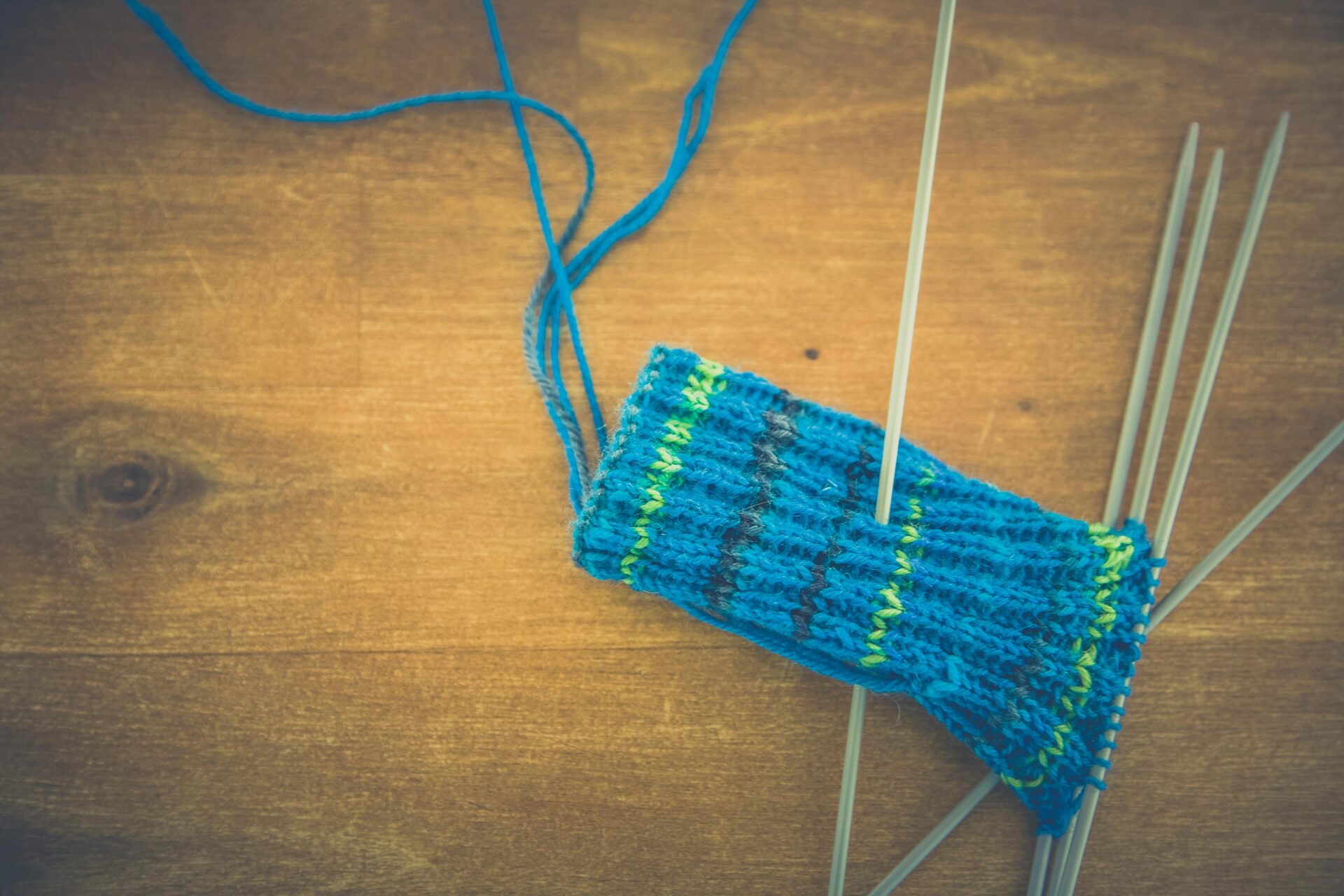
The Connection Between Knitting and Mindfulness
Mindfulness, the practice of being fully present in the moment and non-judgmentally aware of one’s thoughts and feelings, is a powerful technique for emotional healing. Knitting, with its rhythmic movements and tactile focus, naturally lends itself to mindfulness. The act of knitting requires concentration, but it is not so demanding that it becomes stressful. This balance between focus and relaxation allows individuals to enter a mindful state where they are fully engaged with the task at hand, without being distracted by external concerns. Even professionals in high-stress industries, such as a software development agency, can benefit from mindfulness practices like knitting to enhance focus and reduce stress.
The process of knitting allows the individual to connect with their senses. The feel of the yarn, the sound of the needles clicking together, and the sight of the developing pattern on the fabric all contribute to creating a sensory experience that encourages mindfulness. This focus on sensory perception enhances the ability to live in the present moment, reducing the tendency to dwell on past regrets or future anxieties. In a world where distractions are constant, the simplicity of knitting can help anchor individuals in the here and now.
Knitting also promotes mental clarity. When people engage in mindful activities, they often experience a reduction in mental clutter, allowing them to process their emotions more clearly. The repetition of stitches can help quiet the mind, offering a respite from the constant stream of thoughts that often contribute to stress and anxiety. In fields like healthcare, tools such as an AI dental scribe assist professionals in maintaining focus, much like knitting helps individuals achieve mental clarity. In a therapeutic context, knitting can be an effective tool for individuals looking to gain perspective on their emotions, as the process encourages deep concentration and introspection.
Knitting in Group Therapy and Social Connections
While knitting can be a solitary activity, it also has the potential to foster strong social bonds and create a sense of community. In therapeutic settings, knitting groups have become increasingly popular, offering individuals a space to come together, share experiences, and support one another. These groups, often facilitated by a trained therapist, allow participants to work on their knitting projects while engaging in conversation, offering mutual encouragement and emotional support.
For many individuals, social isolation can be a significant barrier to emotional well-being. The sense of connection that comes from participating in group therapy or knitting circles provides a powerful antidote to feelings of loneliness. Knitting groups allow people to feel understood and supported by others who share similar challenges. This shared experience fosters empathy and creates an environment where individuals feel safe to express their emotions and struggles. Some may also find that connecting with others through community services, such as cleaning services in San Marcos, can further support their sense of belonging.
Moreover, knitting in a group setting can provide a sense of routine and structure, which are essential for emotional stability. For people who experience anxiety or depression, having a consistent activity to look forward to, such as a weekly knitting circle, can help establish a sense of normalcy. The regularity of group meetings gives participants something to anchor themselves to, helping to reduce feelings of unpredictability and uncertainty.
The social aspect of group knitting can also encourage positive reinforcement. As individuals work on their projects, they can share progress, offer feedback, and celebrate each other’s successes. This supportive environment helps build self-esteem and reinforces the idea that one’s efforts are valuable and appreciated. The act of giving and receiving praise can be especially healing for those who struggle with feelings of inadequacy or self-doubt. Additionally, the camaraderie fostered in group settings can be likened to the creativity and teamwork involved in activities like screen t-shirt printing.
Knitting for Personal Empowerment and Self-Care
Beyond its therapeutic uses, knitting can also be a powerful form of self-care. In a society that often prioritizes productivity and achievement over well-being, engaging in an activity like knitting offers a necessary reprieve from the demands of daily life. The act of taking time to knit, without any expectation of perfection or end goal, allows individuals to focus on their own needs and well-being. This form of self-care is particularly important for individuals who struggle with burnout or exhaustion, as it provides a way to replenish emotional energy.
Knitting offers an opportunity for creative expression. For some, the act of knitting is a way to explore their artistic side, experimenting with color combinations, patterns, and textures. This creative outlet fosters a sense of accomplishment and pride in one’s work, which can be deeply empowering. The creativity involved in knitting can also serve as a way to channel emotions, turning feelings of sadness, frustration, or joy into something tangible and beautiful.
For those dealing with chronic pain or illness, knitting can be a way to regain a sense of control over their bodies and emotions. By engaging in a purposeful activity, individuals can experience a sense of autonomy and purpose, which may be lost in the face of illness or injury. Knitting allows people to focus on what they can do rather than what they cannot, offering a form of empowerment that helps to combat feelings of helplessness.
Conclusion
Knitting is far more than just a hobby or a craft; it is a powerful tool for therapy and emotional healing. Whether used as a stress-reliever, a means of mindfulness, or a way to build social connections, knitting has the ability to provide individuals with the emotional and psychological support they need to navigate life’s challenges. Its repetitive nature offers relaxation and clarity, while the creativity involved encourages self-expression and empowerment. For those dealing with legal challenges related to elder care, seeking support from elder law and guardianship lawyers in Stevens Point can be an important step in the process. Through knitting, individuals can not only create beautiful objects but also heal emotionally, build resilience, and foster a greater sense of well-being.
In a world where mental health struggles are often met with stigma or dismissal, the therapeutic role of knitting serves as a reminder that healing can take many forms. For those seeking a mindful and supportive practice, knitting offers a simple yet profound way to foster emotional growth, self-care, and healing. If you’re looking for additional tools to enhance your mindfulness practice, there are also pens for sale that can help with journaling and reflection. As more people discover the emotional benefits of this ancient craft, knitting’s place in therapy and emotional healing will continue to grow, offering a pathway to peace, connection, and personal transformation.