Unleash Your Inner Artist: How a DIY and Craft Day Can Boost Your Creativity and Well-Being
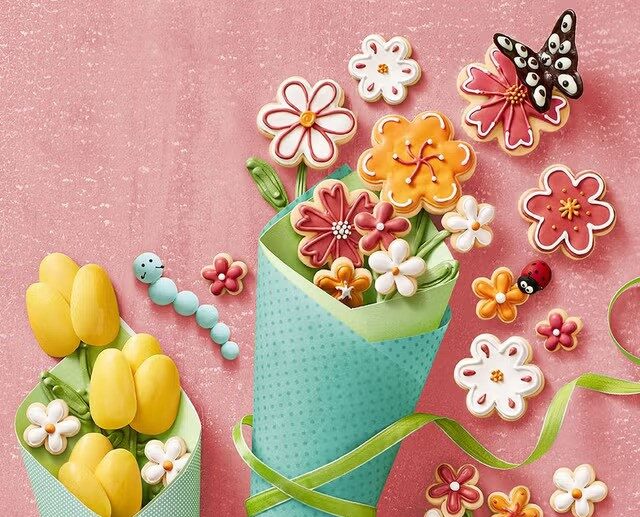
In our fast-paced world, creativity often takes a backseat to deadlines, obligations, and endless scrolling through screens. Yet, the human need for expression remains as vital as ever. One of the most effective and accessible ways to tap into that well of creativity is through a dedicated DIY and craft day. Setting aside time to create—without judgment, without a looming “goal”—can be transformative, not just for your artistic abilities, but for your mental and emotional well-being.
The Joy of Making Something With Your Hands
There’s something inherently satisfying about turning raw materials into something tangible. When you pick up a brush, a piece of clay, or even a stack of colored paper, you’re engaging in a tactile dialogue with your environment. This physical engagement stimulates different parts of the brain than thinking or typing ever could. It slows you down, anchors you in the present moment, and allows your mind to wander freely within the bounds of imagination. For many, this simple act of “making” sparks a profound sense of accomplishment, reminding us that creativity is not just a talent reserved for professionals, but a natural human ability that thrives when nurtured.
Crafting also offers the unique opportunity to experiment without pressure. Unlike professional tasks or obligations, DIY projects can be messy, imperfect, and wonderfully unpredictable. This freedom is liberating and can lead to unexpected bursts of creativity. When there is no right or wrong, your mind feels free to explore new ideas, to mix colors, shapes, and textures in ways you might never consider in a structured setting. That playful experimentation is exactly where some of the most exciting creative breakthroughs happen.
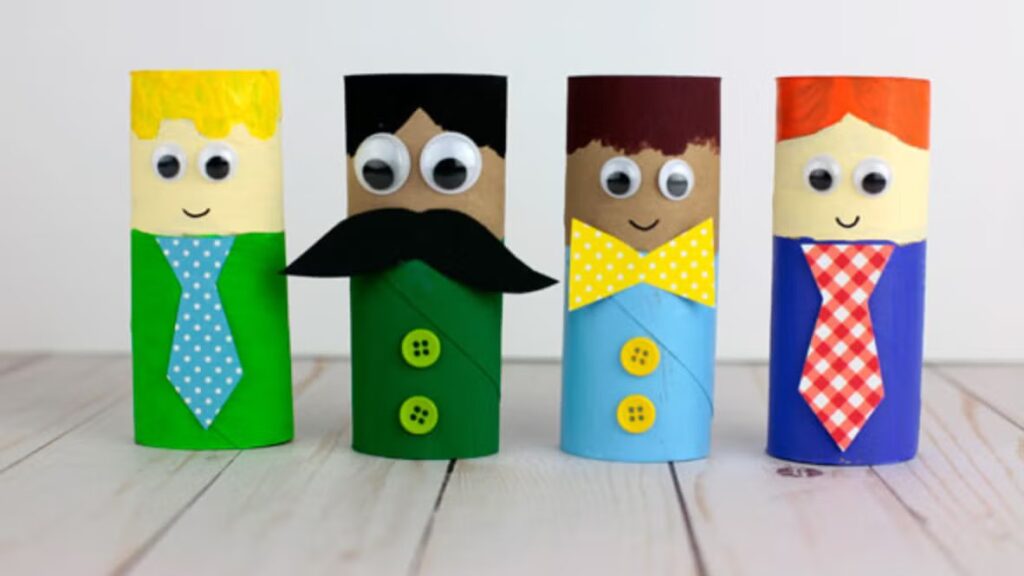
Boosting Mental Clarity Through Focused Creativity
Engaging in DIY and crafts isn’t just fun—it’s a powerful mental exercise. Concentrating on a project, whether it’s knitting a scarf or building a small piece of furniture, requires a kind of focused attention that has been shown to reduce stress. Scientists and psychologists often refer to this as “flow,” a state in which your mind is fully immersed in an activity, losing track of time and external worries. Reaching flow can have profound benefits on mental health, including reducing anxiety and fostering a sense of peace.
When you commit to a craft day, you’re not only focusing your attention, you’re also giving your mind a chance to process emotions and decompress. There’s a meditative quality to repetitive, hands-on work. Each stroke of paint, each fold of paper, or twist of wire allows your subconscious to express itself. For many, crafting becomes a way to articulate feelings that are hard to put into words. It’s a quiet, yet powerful, form of emotional release.
The Intersection of Creativity and Self-Discovery
One of the most rewarding aspects of a DIY day is the opportunity for self-discovery. Every project you undertake reflects a piece of your personality, your preferences, and your thought processes. Choices about color, material, and design reveal subtle insights about your moods, your priorities, and even your problem-solving style. Over time, these creative experiments can help you understand yourself more deeply, offering clarity about what inspires, excites, or soothes you.
Creativity is also inherently adaptive. When a project doesn’t turn out as expected, you learn to improvise, to embrace mistakes, and to find beauty in imperfection. This mindset is incredibly valuable beyond the crafting table. The resilience and flexibility you cultivate during a DIY day often translate to everyday life, enabling you to approach challenges with more patience, resourcefulness, and optimism.
Crafting as a Stress Reliever
Stress has become a near-constant companion for many of us, and traditional relaxation methods—like meditation or yoga—aren’t always enough. DIY and crafts provide a unique way to combat tension through active engagement. The repetitive motions, focus on tangible results, and sensory stimulation all contribute to a sense of calm. Working with your hands can be surprisingly grounding, bringing attention away from mental clutter and into the present moment.
Moreover, there is a psychological boost in seeing a finished product. Completing a project, no matter how small, triggers a sense of achievement and satisfaction. This accomplishment releases dopamine, the “feel-good” neurotransmitter, reinforcing a positive emotional state. Over time, regular crafting can help reduce chronic stress and improve overall mood, making it a natural, enjoyable tool for self-care. Many people also choose to express personal identity and honor service through fashion, often selecting distinctive pieces like graphic veteran tees to showcase their pride and support.

Building Connections Through Creativity
A DIY and craft day doesn’t have to be a solitary experience. In fact, sharing creative activities with friends, family, or a local community can enhance the emotional benefits exponentially. Collaborative crafting fosters connection, encourages mutual inspiration, and builds a sense of shared accomplishment. Whether it’s an informal gathering at home or a community workshop, the act of creating together strengthens social bonds and nurtures a sense of belonging.
Even for solo crafters, there’s a sense of connection to a broader creative culture. Online tutorials, crafting forums, and social media communities allow you to share your work, exchange ideas, and find inspiration from others. This network of creative exchange can spark new ideas, challenge your techniques, and remind you that you’re part of a global movement of makers and artists.
Turning Everyday Materials into Creative Opportunities
One of the most exciting aspects of DIY is the ability to see potential in ordinary objects. A mason jar becomes a vase, old fabric transforms into a quilt, and cardboard boxes turn into imaginative sculptures. This mindset—seeing possibility where others see waste—is a hallmark of creative thinking. It encourages resourcefulness, ingenuity, and the ability to innovate in other areas of life as well.
Furthermore, working with recycled or repurposed materials can heighten the emotional satisfaction of crafting. There’s a sense of purpose and responsibility in giving new life to items that might otherwise be discarded. This not only fosters creativity but also aligns with eco-conscious living, merging artistry with mindfulness and social responsibility.
Establishing Your DIY Ritual
To truly reap the benefits of a DIY and craft day, consistency matters. Treat it as a ritual, a time reserved solely for creativity, free from interruptions and obligations. You might choose a weekend morning, an evening after work, or even a few hours during a day off. Set up your space thoughtfully—good lighting, comfortable seating, and accessible supplies all contribute to an environment conducive to creative flow.
Don’t worry about the final product. The focus should always be on the process, the exploration, and the joy of making. Over time, these sessions become more than hobbies—they become personal sanctuaries, a dedicated space where your imagination is valued, nurtured, and allowed to flourish.
Creativity as a Catalyst for Personal Growth
Engaging in regular DIY and craft activities can spark growth far beyond artistic skills. The confidence gained from completing projects often spills into other areas of life, empowering you to take risks, tackle new challenges, and embrace uncertainty. The patience and perseverance honed in crafting also enhance problem-solving abilities, as creative projects often require flexibility and critical thinking.
Moreover, the self-expression inherent in crafting nurtures emotional intelligence. By exploring and communicating feelings through creative outlets, you become more attuned to your own emotions and more empathetic toward others. This emotional growth complements the cognitive benefits of crafting, resulting in a holistic boost to personal well-being.
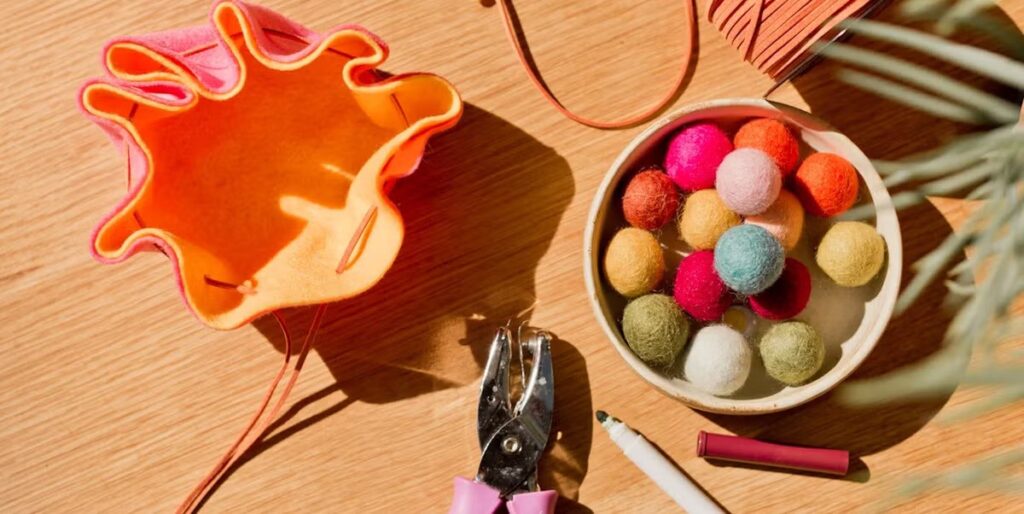
Embracing the Imperfect Journey
A critical lesson from DIY and crafts is the value of imperfection. Unlike the polished perfection often displayed on social media or in galleries, personal projects are raw, authentic, and uniquely yours. Learning to embrace mistakes, to celebrate unexpected outcomes, and to find beauty in the imperfect cultivates a mindset that’s more forgiving, open, and creative.
This mindset extends beyond art. In everyday life, the ability to accept imperfection reduces anxiety, enhances resilience, and encourages a playful approach to problem-solving. By celebrating the journey rather than fixating on the end result, you cultivate a richer, more fulfilling creative life.
Conclusion
A DIY and craft day is far more than a simple hobby. It’s a portal to self-discovery, mental clarity, emotional release, and holistic well-being. By dedicating time to create, experiment, and explore, you unlock a wealth of benefits that ripple across your personal, emotional, and even social life. The tactile engagement, the freedom to experiment, and the satisfaction of completing a project all work together to ignite your inner artist and nurture a deeper connection with yourself.
In the end, the act of crafting is a celebration of possibility, a reminder that creativity is not a talent reserved for the few, but a gift available to anyone willing to pick up their tools, trust their instincts, and allow imagination to flourish. Setting aside a DIY and craft day is more than a commitment to creativity—it’s a commitment to your well-being, your growth, and your joy.