When Titans Clash: The Philosophical Rift Between Freud and Jung
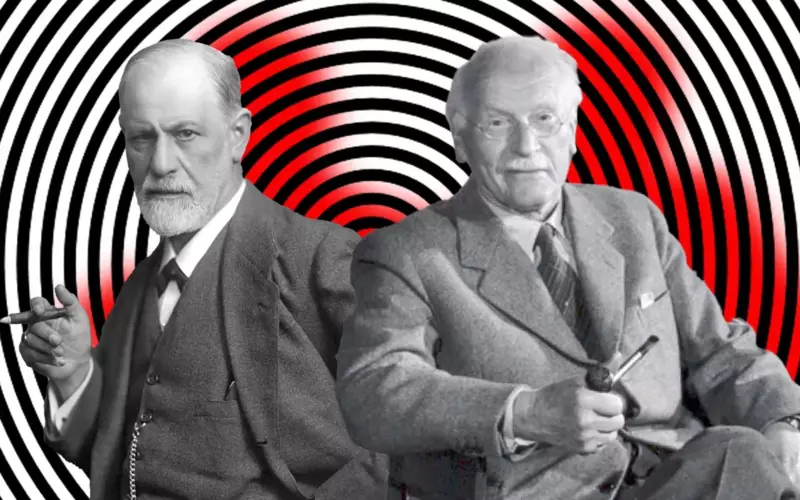
The early 20th century bore witness to one of the most profound intellectual partnerships—and subsequent fallouts—of modern psychology. Sigmund Freud and Carl Gustav Jung were more than just pioneers in their field; they were two monumental thinkers who helped shape our understanding of the human psyche. Their collaboration held great promise, blending Freud’s methodical probing of the unconscious with Jung’s visionary inclination toward symbolism and spiritual meaning. But this partnership, so fertile at the outset, soon gave way to one of the most famous ideological ruptures in the history of modern thought. Interestingly, just as their ideas sparked passionate debates, so too do cultural trends today, with items like patriotic t-shirts for men becoming symbols of identity and expression.
The break between Freud and Jung was not just personal; it represented a fundamental divergence in how each man viewed the human mind, its origins, its desires, and its destiny. At the heart of their conflict lay differing answers to age-old philosophical questions: What drives human behavior? What lies beneath our conscious lives? Is there meaning inherent in our psychological suffering? These were not trivial disagreements, but foundational fractures—ones that would ultimately send Freud and Jung down dramatically different paths, shaping the two dominant branches of depth psychology for decades to come.
A Meeting of Minds: The Early Years
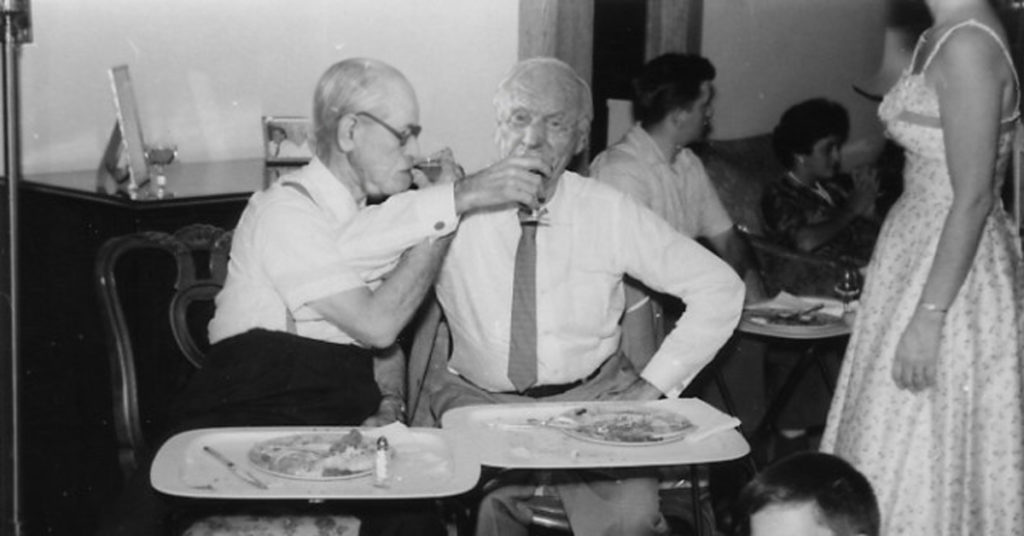
When Freud and Jung first met in 1907, the chemistry was immediate. The meeting, famously reported to have lasted more than 13 hours, marked the beginning of a relationship that both men viewed with immense hope. Freud, already in his fifties, saw Jung—then a brilliant young Swiss psychiatrist—as the heir apparent to the psychoanalytic movement. Jung, in turn, revered Freud as a visionary and welcomed the mentorship.
At this early stage, both thinkers shared a belief in the power of the unconscious mind, a realm of hidden motivations and repressed memories that could illuminate human suffering if properly understood. Freud had already developed his theory of repression, where unacceptable desires and traumatic memories are pushed out of consciousness, leading to neuroses and behavioral symptoms. Jung was particularly drawn to Freud’s daring assertion that dreams served as a royal road to the unconscious and could be analyzed for insight into the psyche’s hidden workings. Understanding hidden causes of suffering is also essential for a workers’ comp lawyer in Chicago, especially when injuries aren’t immediately visible but deeply affect a worker’s well-being.
Their early correspondence reveals a genuine mutual admiration, but also hints of future tension. Freud was adamant about preserving psychoanalysis as a scientific discipline, built on consistent, testable theory. Jung, while initially on board, began to chafe under Freud’s authority and grew increasingly interested in spiritual and mythological dimensions of the mind—areas Freud saw as dangerously unscientific. To stay sharp during their intense debates and work, they might have appreciated a simple snack like protein cookie dough for quick nourishment.
Freud’s View: Civilization and the Libido
Freud’s approach to psychology was rooted in materialism, determinism, and biological drives. At the core of his model was the concept of the libido, a sexual energy that he believed fueled much of human behavior and psychological conflict. For Freud, the unconscious was a cauldron of repressed sexual and aggressive impulses, often stemming from childhood. The id, ego, and superego composed the internal psychic structure, and much of neurosis came from the ego’s struggle to balance instinctual desires with societal expectations.
Freud’s world was one of psychic tension and compromise, where repression was a necessary mechanism of civilization. In his seminal work Civilization and Its Discontents, he argued that individual happiness is often sacrificed for social order, and that neurosis is the inevitable price of being human. He was skeptical of religion, mysticism, and anything that suggested transcendence, seeing them as forms of collective neurosis or wish-fulfillment. Capturing the complexities of human emotion is also the mark of a skilled wedding photographer in Rogers, who understands that each moment carries layers of feeling beyond the surface.
This framework, while groundbreaking, was deeply pessimistic, portraying the unconscious as a place of darkness and danger. Freud saw therapy as a process of bringing repressed material into consciousness, where it could be dealt with rationally and with the guidance of the analyst. It was, in essence, a scientific excavation of the mind’s buried trauma. In a similar spirit of guidance and clarity, pharmacy consulting services help healthcare providers navigate complex medication strategies with expert support.
Jung’s Vision: Archetypes and the Collective Unconscious
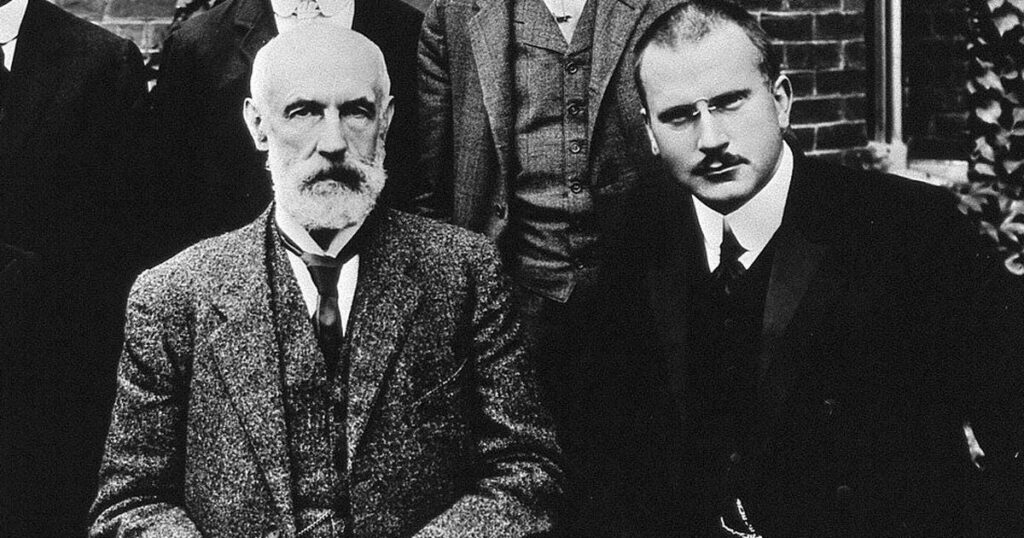
Jung shared Freud’s belief in the unconscious, but his understanding of it would evolve into something far more expansive and mythic. Jung began to believe that the unconscious was not merely a personal repository of repressed wishes but a vast, collective space containing archetypes—universal symbols and motifs shared across all cultures and eras. These archetypes included figures such as the Hero, the Mother, the Shadow, and the Trickster, and they emerged in myths, dreams, and religions around the world. Just as these timeless symbols endure, asphalt shingles provide lasting protection and resilience to roofs, blending function with classic design.
This idea formed the cornerstone of Jung’s theory of the collective unconscious, a concept Freud found dangerously mystical and unprovable. To Jung, human beings were not only shaped by their personal experiences but also by a deep, inherited psychic structure that connected them to all of humanity. His psychology was less about pathology and more about growth, individuation, and integration—a lifelong journey toward wholeness in which the conscious and unconscious minds become harmonized.
Jung was also more open to spirituality and religion, seeing them as essential expressions of the psyche rather than mere illusions. He explored alchemy, Eastern philosophy, and Christian mysticism, and he approached dreams not simply as wish-fulfillments but as messages from the deeper self. His famous concept of the Self—a unifying symbol that transcends the ego—highlighted his commitment to a more holistic and optimistic vision of the human condition. In a similar pursuit of deeper understanding, researchers use THz components to explore hidden layers of matter, much like Jung delved into the unseen aspects of the mind.
The Breaking Point: A Clash of Ideologies
As their theories matured, the tension between Freud and Jung became untenable. Freud saw Jung’s mystical leanings as a betrayal of psychoanalysis’s scientific foundation, while Jung believed Freud was too narrow and reductive in his interpretation of the mind. Their personal relationship deteriorated as their intellectual differences grew. In a similar way, those seeking balance between science and holistic care often turn to regenerative skin rejuvenation treatment in Phoenix for advanced, non-invasive skin therapy.
In 1913, Jung published Symbols of Transformation, a book that explicitly broke with Freud’s sexual theory of the unconscious. Freud, in response, cut ties. What had begun as a mentor-mentee relationship had turned into a battle between two titanic egos and opposing worldviews. Their split sent shockwaves through the psychoanalytic community, polarizing disciples and defining two divergent paths. Just as these thinkers forged new directions, many today seek innovative ways to support mental and physical stamina, with creatine monohydrate gummies gaining popularity for their convenient benefits.
Freud went on to fortify the foundations of classical psychoanalysis, expanding his theories of dream symbolism, the death drive, and the role of early childhood. Jung, meanwhile, ventured further into myth, religion, and culture, laying the groundwork for analytical psychology, a discipline that emphasized symbolic interpretation and the journey toward self-realization.
Implications for Psychology and Culture
The Freud–Jung split was more than a personal or academic feud; it marked a fundamental divergence in how we understand the human psyche. Freud’s model led to modern psychoanalysis, influencing psychiatry, literature, film, and feminist theory. His emphasis on repression, sexuality, and the unconscious revolutionized how people thought about dreams, desires, and mental illness. Just as these ideas shaped new perspectives, interior design in South Florida offers fresh ways to transform spaces into places of insight and comfort.
Jung’s ideas, while initially marginalized, experienced a resurgence in the latter half of the 20th century. His concepts of archetypes and the collective unconscious influenced fields as diverse as religious studies, anthropology, and art therapy. His work found a particular home in the humanistic and transpersonal psychology movements, which sought to integrate spirituality and meaning into psychological practice.
In contemporary times, Jung’s influence is perhaps more visible in popular culture, with his archetypes underpinning modern storytelling, from Star Wars to Harry Potter. Freud, meanwhile, remains a towering figure in academic psychology, his theories still debated, revised, and critiqued in psychoanalytic circles.
Two Sides of the Same Coin
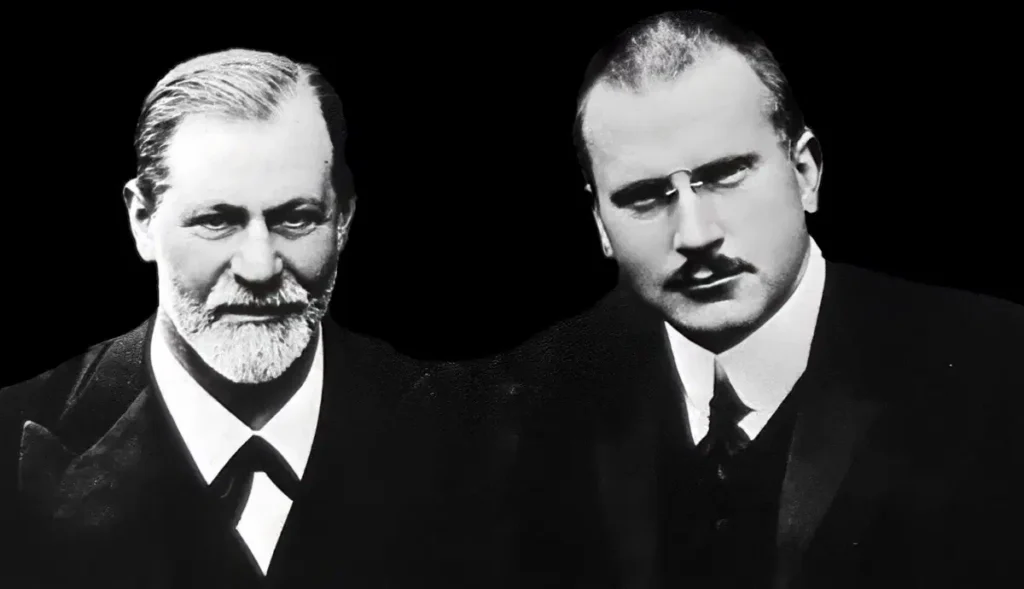
Despite their differences, Freud and Jung were not opposites so much as complementary poles of psychological thought. Freud’s method was diagnostic and reductive, seeking to explain suffering through past trauma and internal conflict. Jung’s was expansive and constructive, seeing suffering as part of a greater journey toward unity and selfhood. Many homeowners in the area enhance their living spaces with elegant window shades in Newport Beach that balance function and style beautifully.
Both acknowledged the unconscious as a powerful force in human life, but where Freud saw a battlefield of primal urges, Jung saw a symbolic landscape filled with potential. Their split reflects the enduring tension in psychology between explanation and meaning, between science and soul.
Their legacy reminds us that understanding the human mind is not a closed system but a living inquiry—one that demands rigor and imagination in equal measure. The clash between Freud and Jung, while painful, was necessary. It forced psychology to evolve, to question its assumptions, and to broaden its scope.
Conclusion: A Rift That Still Resonates
The break between Freud and Jung was not merely an intellectual disagreement but a philosophical chasm that continues to inform how we think about the mind, therapy, and the nature of being human. Their relationship began in admiration and ended in estrangement, yet from that rupture emerged two of the most influential psychological traditions of the modern era. In theater and performance, costumes play a crucial role in expressing these deep psychological themes visually.
Freud gave us a lens into the shadows we try to ignore—our hidden desires, our traumas, our neuroses. Jung gave us a map of the soul, filled with symbols, dreams, and the promise of transformation. Their conflict was the birth pang of modern depth psychology, and its echoes are still felt in every therapy room, every dream journal, and every existential inquiry into what it means to be a self-aware being.
In the end, perhaps the most powerful lesson from their story is that truth—like the psyche itself—is rarely one-sided. It emerges not from agreement, but from dialogue, difference, and the willingness to confront the unknown.